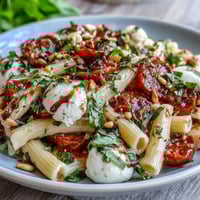
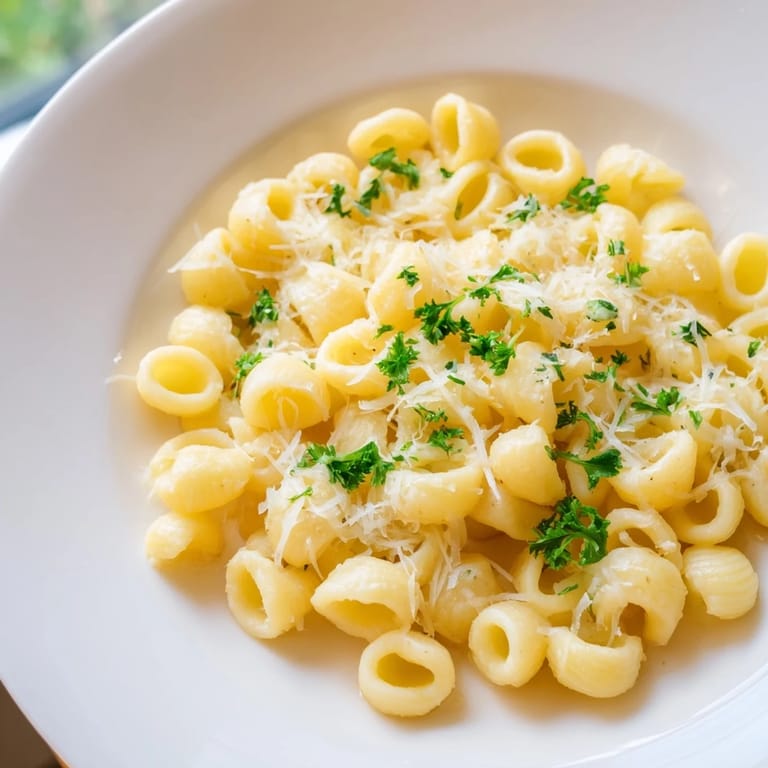
 Save
Save There's something about ditalini that caught me off guard the first time my neighbor handed me a bowl of hers on a Tuesday evening—those tiny tubes somehow held more sauce than I expected, each one a little capsule of garlicky butter goodness. I'd walked over thinking I'd grab a quick hello, and ended up staying for dinner, watching her work with such ease that I realized this wasn't fancy cooking, it was honest cooking. The whole thing took less time than I'd spent debating what to make for myself, and tasted infinitely better.
I made this for my sister during a snowy afternoon when she showed up unannounced, exhausted from work, and I suddenly realized I had exactly the ingredients in my kitchen to turn her day around. She sat at the counter watching the garlic toast in butter, the steam rising up, and by the time I set the bowl down, she'd already stopped checking her phone. That's when I understood the real power of this dish—it's not about the technique or the ingredients, it's about how quickly you can make someone feel cared for.
Ingredients
- Ditalini pasta (300 g): These tiny tubes are the secret—they're not just small for looks, they trap sauce like little flavor holders, so every bite feels intentional.
- Unsalted butter (4 tablespoons): The foundation of everything here; it needs to be good butter because there's nowhere for mediocrity to hide in such a simple sauce.
- Garlic (4 cloves, finely minced): Don't use pre-minced; the moment garlic hits hot butter, everything changes, and fresh garlic does this better.
- Heavy cream (120 ml): This is what makes the sauce velvet, but it's not about drowning the pasta—it's about creating a silky coating.
- Parmesan cheese (50 g, freshly grated): The umami anchor that brings everything into focus; pre-grated cheese won't melt as smoothly, so grate it fresh if you can.
- Black pepper and salt: Taste as you go—seasoning is the last thing people notice but the first thing they miss.
- Parsley and lemon zest (optional): These finish the dish with brightness, but they're optional because sometimes simplicity is the point.
Tired of Takeout? 🥡
Get 10 meals you can make faster than delivery arrives. Seriously.
One email. No spam. Unsubscribe anytime.
Instructions
- Get the water going:
- Fill your pot generously with water and salt it well—not timidly, but as if you're seasoning a soup. The pasta water is your backup plan later, so make sure it's flavorful from the start.
- Cook the pasta:
- Add ditalini and let it cook until it's just tender with a slight resistance when you bite it. Set aside about a quarter cup of the starchy water before you drain; this is the glue that will make your sauce smooth.
- Toast the garlic:
- While the pasta finishes, melt butter in a large skillet over medium heat and add your minced garlic. Listen for it to start smelling absolutely incredible—that's your signal to stop before it turns bitter and dark.
- Build the sauce:
- Pour in the cream and pasta water, stirring as the mixture warms into a gentle simmer. This is where things go from separate ingredients to something unified and silky.
- Bring it all together:
- Add the drained pasta to the skillet and toss gently until every piece is coated in that creamy, garlicky embrace. The reserved pasta water is your insurance policy—if it gets too thick, splash in more.
- Season and finish:
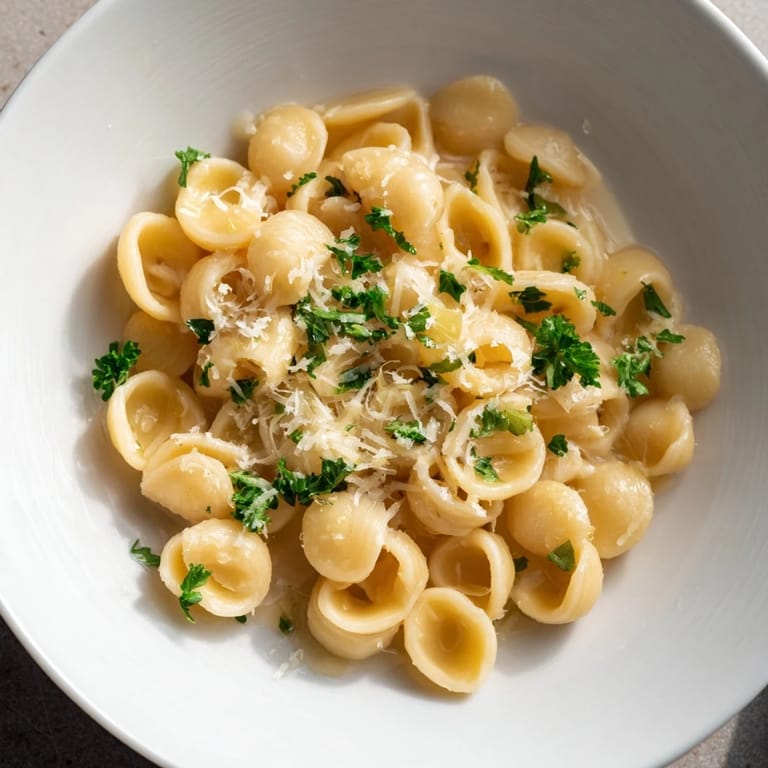
- Rain in the Parmesan, pepper, and salt, stirring until the cheese melts into the sauce and everything looks like a dream. Taste it, adjust if needed, then stir in the parsley and lemon zest if you're using them.
 Save
Save I've learned that the smallest dishes often mean the most because they ask so little of you but deliver so much comfort. This pasta taught me that you don't need hours or a complicated recipe to feed someone something that matters.
Why This Pasta Works on Busy Nights
The beauty of ditalini is that it's forgiving—unlike long strands that can tangle or clump, these little tubes cook evenly and quickly, so you're not hovering anxiously over the pot. The sauce comes together so fast that by the time you've chopped the garlic, the butter is already waiting. It's the kind of dish that builds confidence because nothing can really go wrong.
Elevating Your Leftovers
Leftovers actually improve slightly as the pasta absorbs more sauce overnight, becoming even creamier and more cohesive. When you reheat, add a splash of milk or cream and stir gently over low heat, letting it come back to life slowly without breaking. I've found myself looking forward to the next day's portion as much as the fresh batch.
Playing with What You Have
This is one of those recipes that respects substitutions and additions without flinching—a pinch of red pepper flakes if you want heat, a tablespoon of mascarpone stirred in for extra richness, or a handful of fresh spinach wilted into the sauce if you want something green. The foundation is so solid that you can dress it up or keep it simple depending on your mood and what's in your fridge.
- Fresh herbs like basil or chives are beautiful scattered over the top right before serving.
- A crack of fleur de sel at the very end catches people's attention in ways they can't quite name.
- If you have truffle oil or good quality olive oil, a tiny drizzle transforms it into something almost luxurious.
 Save
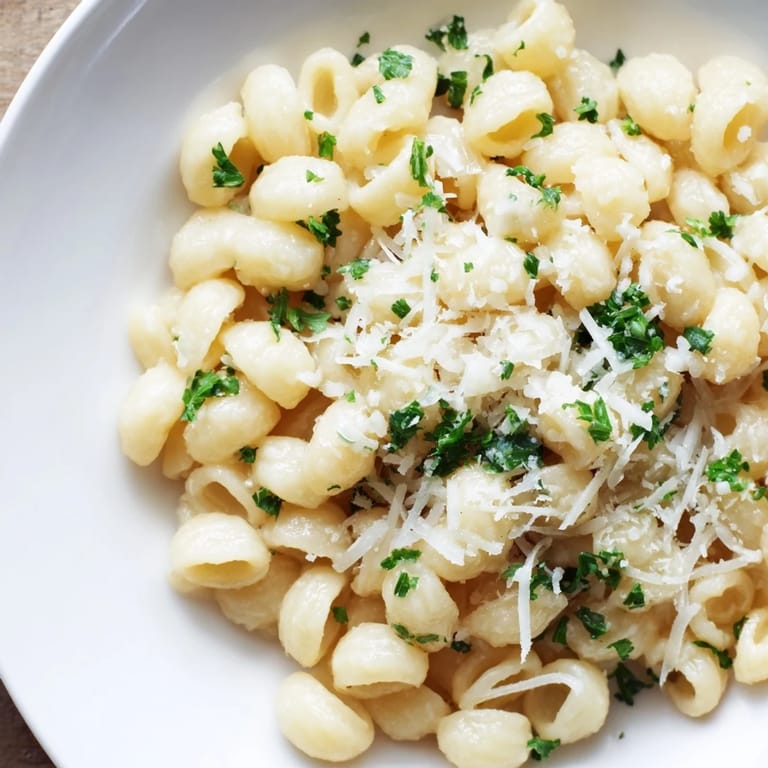
Save This recipe lives in that rare space where it's simple enough to make on a Tuesday but good enough to serve to someone you want to impress. That's the kind of cooking that matters most to me.
Recipe FAQs
- → How do I achieve the best al dente texture for ditalini?
Boil the pasta in salted water for about 8 minutes or until just tender but still firm to the bite, then drain promptly to stop cooking.
- → Can I substitute the heavy cream in the sauce?
Yes, alternatives like half-and-half or mascarpone can be used for a creamy texture, but adjust quantities to maintain sauce consistency.
- → What is the role of reserved pasta water in the sauce?
Adding reserved pasta water helps to loosen and emulsify the sauce, ensuring it coats the pasta evenly without being too thick.
- → Is fresh garlic preferred over powdered for this dish?
Fresh minced garlic provides a bright, fragrant flavor that is essential for the sauce’s aromatic profile, making it preferable to powdered forms.
- → How can I store leftovers to maintain texture and flavor?
Keep leftovers in an airtight container in the refrigerator for up to 2 days. Gently reheat with a splash of milk or cream to restore creaminess.
- → What garnishes complement this ditalini preparation?
Fresh parsley and extra grated Parmesan add a fresh and savory finish, while a light sprinkle of lemon zest adds brightness.