 Save
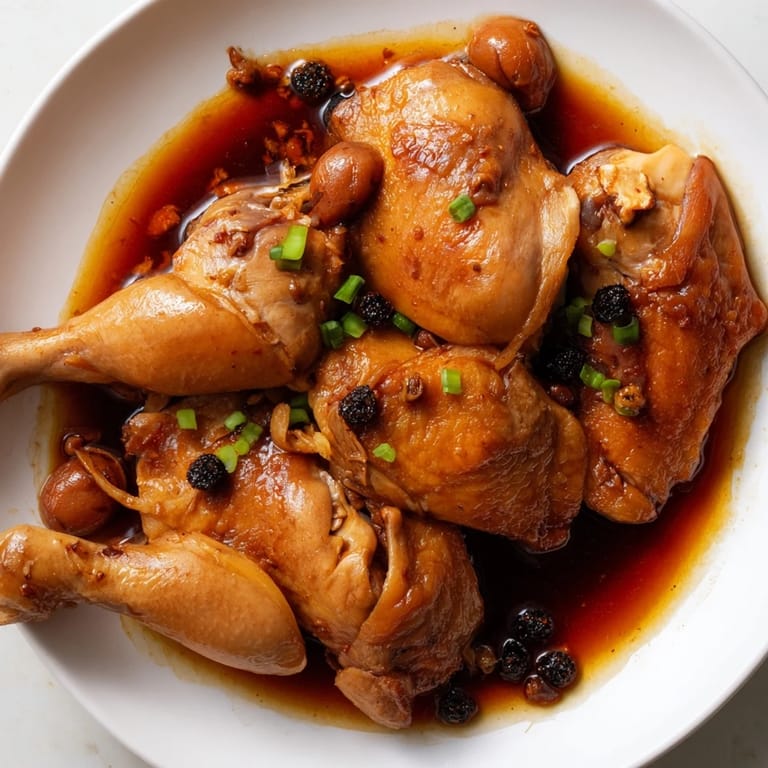
Save The first time I truly understood adobo wasn't from a recipe book, but from watching my neighbor Rosa stand over a skillet with the lid off, letting the sauce reduce while she told me stories in the kitchen. That tangy-savory steam rising up, the chicken falling off the bone—it clicked. This dish isn't fussy or complicated, just honest cooking that tastes like someone who knows what they're doing.
I made this for a small dinner party once and completely underestimated how much people would eat. Three bowls each, asking for seconds, mopping the plate with rice. One guest asked if it was a family recipe, and I realized that night that the best recipes are the ones that taste like they come from somewhere real, even if you just learned them last week.
Ingredients
- Bone-in, skin-on chicken thighs and drumsticks (1.5 lbs): Dark meat holds up to long cooking without drying out, and the bones add flavor to the sauce that boneless breasts never could.
- Soy sauce (1/3 cup): Use a good quality one, not the thin stuff in tiny bottles—it's the backbone of the flavor.
- Cane vinegar or white vinegar (1/3 cup): The acid balances everything and keeps the sauce from getting heavy; cane vinegar has a softer edge if you can find it.
- Garlic (6 cloves, smashed): Smashed, not minced—larger pieces mellow out as they braise and perfume the whole pot.
- Bay leaves (2): These are easy to forget but they round out all the sharp flavors without announcing themselves.
- Whole black peppercorns (1 teaspoon): Whole peppercorns stay cleaner-tasting than pre-ground; they'll soften as you cook.
- Brown sugar (1 tablespoon, optional): A small amount cuts the edge of the vinegar just enough—you want balance, not sweetness.
- Water (1/2 cup): Gives the sauce room to breathe and develop without becoming too concentrated.
- Cooking oil (2 tablespoons): Just enough to get a good sear on the chicken skin and keep things moving.
Tired of Takeout? 🥡
Get 10 meals you can make faster than delivery arrives. Seriously.
One email. No spam. Unsubscribe anytime.
Instructions
- Prepare and marinate the chicken:
- Toss your chicken with soy sauce, vinegar, smashed garlic, bay leaves, peppercorns, and sugar in a big bowl. The longer it sits, the more the flavors soak in—even 30 minutes makes a difference, but overnight is ideal if you're thinking ahead.
- Get the pan ready:
- Pull the chicken out and pat it dry with paper towels, saving every drop of that marinade. Dry skin is how you get that satisfying crust when you hit the hot oil.
- Sear the chicken:
- Heat oil in a large skillet until it shimmers, then lay chicken skin-side down. Let it sit without moving it for 3-4 minutes—listen for the sizzle, watch for golden brown, then flip and do the same on the other side.
- Braise low and slow:
- Pour in all that reserved marinade and the water, bring it to a boil so everything mingles, then drop the heat way down. Cover and let it bubble gently for 25 minutes, turning the chicken once halfway through.
- Reduce the sauce:
- Uncover and let it simmer for another 10-15 minutes until the sauce thickens and darkens slightly. You'll see the oil starting to separate and float on top—skim it off if you like or leave it for extra richness.
- Finish and serve:
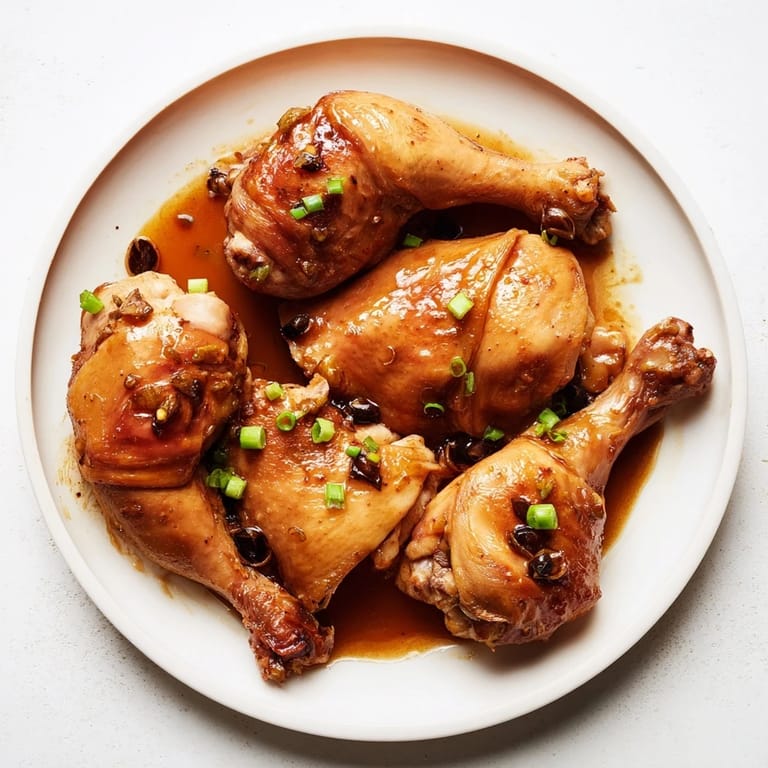
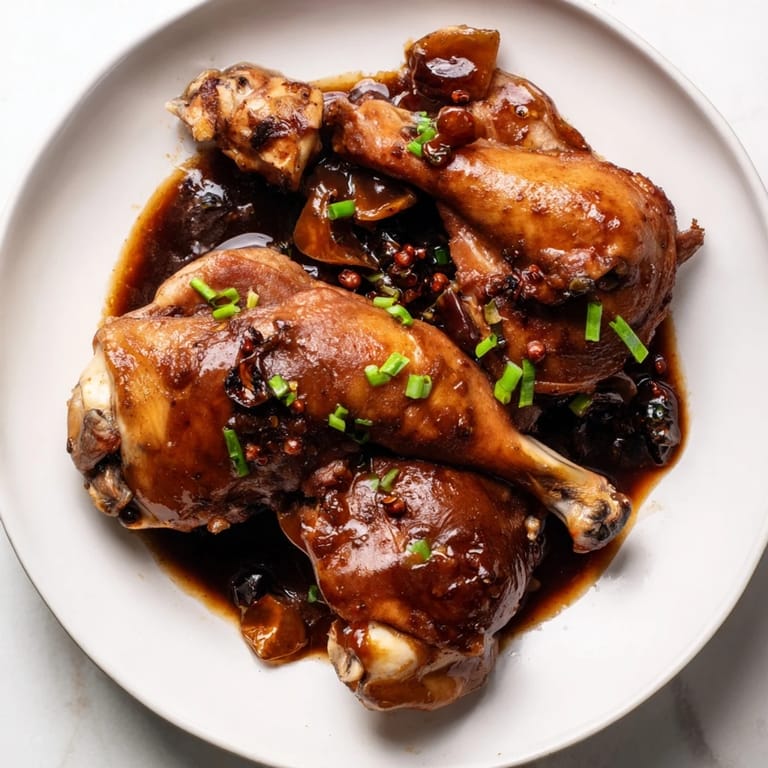
- Taste it, adjust salt or vinegar as needed, fish out the bay leaves, and serve over steamed rice. A handful of chopped scallions on top makes it look like you weren't cooking in your regular clothes.
 Save
Save There's a moment near the end of cooking when you lift the lid and the smell hits you—that's when you know you've made something real. My kids used to come running to the kitchen just from catching that scent, before I'd even called them to eat.
Why This Tastes Like Home
Adobo isn't fussy cooking, and that's exactly why it works. It's the kind of dish that proves you don't need a long ingredient list or complicated technique to make something that tastes like love. The magic is in the balance—salty, sour, savory, tender—and in the willingness to let it simmer while you do something else, trusting the process.
Variations That Still Feel Right
Once you make it once, you'll start seeing how flexible this recipe is. Pork shoulder works beautifully and takes on that sauce even better than chicken. I've added a splash of coconut milk at the end for richness, or a few dried chilies if I'm in the mood for heat. Even these small changes feel natural because the base is so solid.
Storing and Reheating
This is one of those dishes that's even better the next day, once the flavors have settled and deepened. Keep it in the fridge for up to four days, or freeze it for a month. Reheat gently over medium heat with a splash of water if the sauce has thickened too much—it'll loosen up and taste just as good as day one.
- Leftovers transform into excellent fried rice the next morning with day-old rice and a beaten egg.
- You can make this entirely the day before, which makes it perfect for quiet weeknight dinners when you need something ready.
- Brown sugar is truly optional—leave it out if you want a more austere, savory-forward version.
 Save
Save Make this dish and you'll understand why it shows up on Filipino tables everywhere—it's simple, honest, and absolutely complete on its own. Serve it with rice and you've fed people something they'll remember.
Recipe FAQs
- → What cut of chicken works best for this dish?
Bone-in, skin-on thighs and drumsticks provide rich flavor and tenderness during the slow braising process.
- → Can I adjust the tanginess of the sauce?
Yes, you can modify the vinegar amount to suit your taste, balancing with soy sauce or a bit of brown sugar for sweetness.
- → Is marinating the chicken necessary?
Marinating for at least 30 minutes helps infuse the flavors deeply into the chicken for a more tender and flavorful result.
- → What side dishes complement this dish well?
Steamed white rice is traditional and excellent for soaking up the savory sauce, enhancing the overall meal.
- → Can I add other ingredients for variation?
Adding coconut milk or dried chilies during braising can add richness or heat, offering tasty variations on the classic profile.