 Save
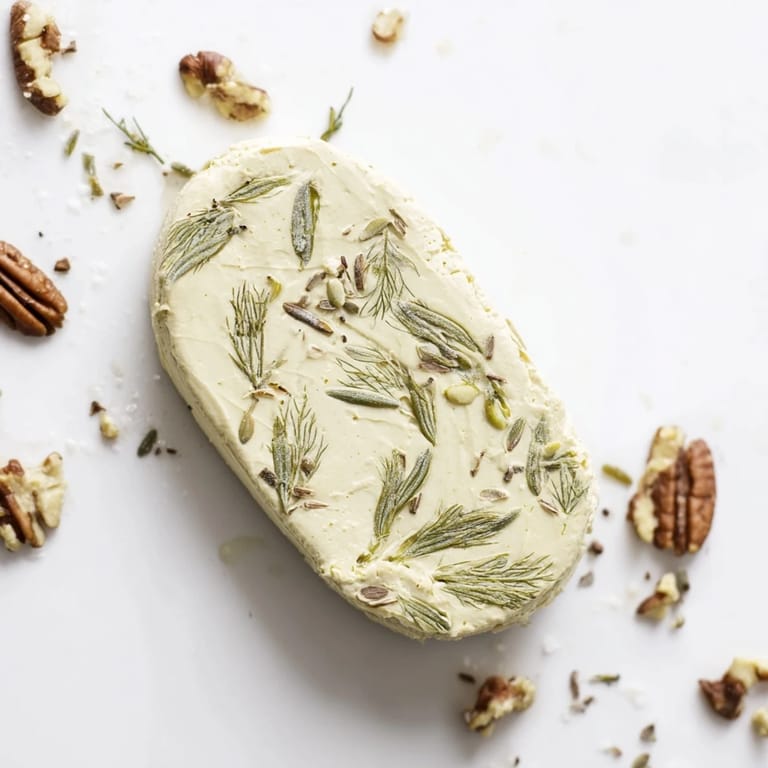
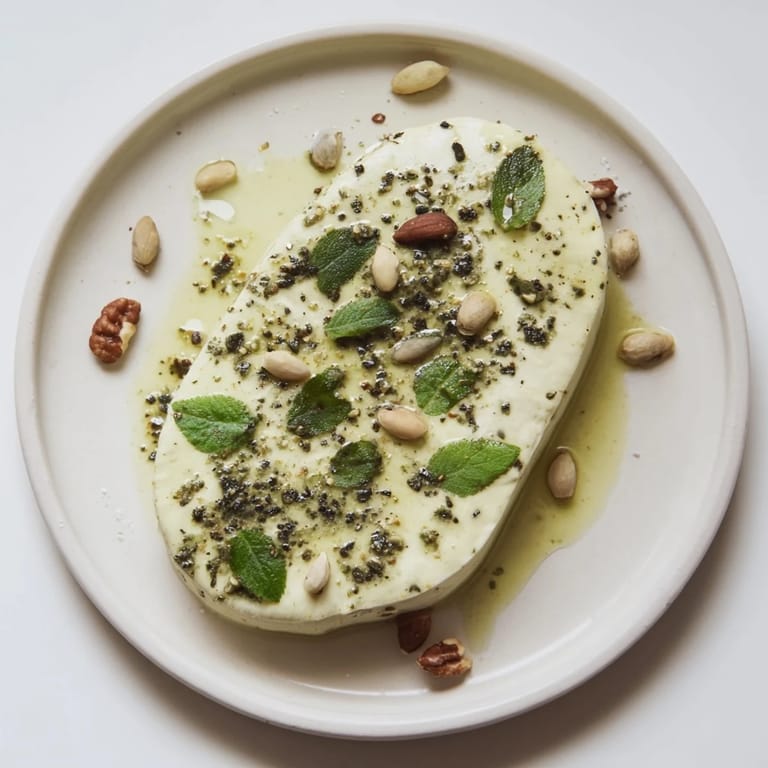
Save I discovered this dish by accident while rearranging my kitchen one afternoon, surrounded by jars of herbs I'd been meaning to use. My hands were covered in soft cheese from a failed cheese board attempt, and when I reached for some parsley to smell it, the impression left behind made me pause. That small, beautiful indent sparked something—what if I could create an entire landscape of ancient imprints? Within minutes, I was pressing herbs into a fresh mound of goat cheese, feeling like I'd uncovered something both playful and unexpectedly elegant.
The first time I served this at a dinner party, my friend Sarah arrived early and caught me arranging nuts around the cheese like an archaeologist at a dig site. She laughed and said it looked like something from a natural history museum, which gave me the confidence to lean into the fossils theme completely. By the end of the night, people were taking photos and asking where I'd bought this mysterious appetizer, which felt like the highest compliment.
Ingredients
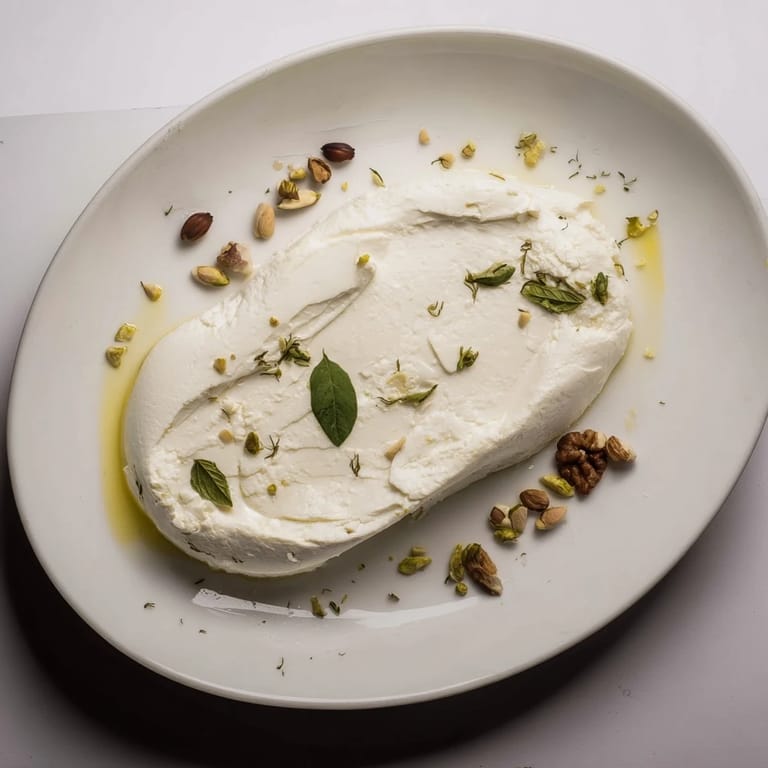
- Soft cheese (250 g): The foundation of your fossil bed—goat cheese brings tanginess, cream cheese offers mild richness, and ricotta provides a lighter touch. Choose whichever reflects your mood that day.
- Fresh herbs: Parsley, dill, cilantro, and chervil each leave distinctly different impressions, so mixing varieties creates visual interest and layers of flavor.
- Olive oil (1 tbsp, optional): Just a whisper of oil adds a subtle sheen and helps the herb imprints catch the light.
- Assorted nuts (100 g): Walnuts, pecans, almonds, and hazelnuts create a textured border—using them in the shell feels more authentic and inviting.
- Sea salt (1/2 tsp, optional): A light sprinkle brings out the nuttiness and cheese flavors without overwhelming.
Tired of Takeout? 🥡
Get 10 meals you can make faster than delivery arrives. Seriously.
One email. No spam. Unsubscribe anytime.
Instructions
- Prepare your canvas:
- Line a small tray with parchment paper so your creation won't stick and removal feels effortless. This simple step means the difference between a beautiful presentation and a crumbly mess.
- Shape the cheese:
- Spread the soft cheese into a rough oval or round about 2 cm thick, using a spatula to smooth the top but keep the edges imperfect. That rustic quality is what makes it feel ancient and found, not constructed.
- Create your fossil imprints:
- Press fresh herb sprigs and leaves firmly into the cheese surface, then lift away carefully to reveal delicate impressions. Work slowly here—rushing ruins the fine details that make this dish magical.
- Add shine (if you like):
- A light brush of olive oil catches the light and makes the cheese glow slightly, adding to the treasure-like quality. It's optional but worth those extra five seconds.
- Build the landscape:
- Scatter your assorted nuts around the cheese, letting some shell fragments fall naturally for that archaeological feel. Arrange them as if you're setting a scene rather than just placing objects.
- Season and serve:
- Sprinkle with sea salt if desired, then serve immediately with crackers and bread, or refrigerate until guests arrive. Either way, your fossil record is ready for discovery.
 Save
Save I served this dish at my partner's birthday dinner, and for the first time, I watched people pause before eating, studying the cheese like they were examining something precious. Someone whispered, "This is too beautiful to eat," and then everyone laughed and dove in anyway. That moment taught me that food becomes memorable not just because it tastes good, but because it invites people to slow down and notice.
Playing With Flavor Combinations
The beauty of this dish is its flexibility—switch your cheese choice based on what you have and what you're feeling. A tangy goat cheese paired with dill and lemon zest creates a brighter offering, while cream cheese with basil and parsley leans cozier and more traditional. I once used a local ricotta mixed with fresh thyme and discovered it tasted like spring, which is exactly what happened to be blooming outside my window.
Making It Your Own
Don't feel bound by the herbs listed—edible flowers like pansies and calendula leave stunning impressions and add whimsy to the presentation. Small mint leaves create delicate fossil patterns, and even fennel fronds work beautifully if you're feeling adventurous. The best version of this dish is the one that reflects what you grow or love.
Serving Suggestions and Pairings
Serve this alongside warm crackers, rustic bread, or crisp crostini that give way to the creamy cheese with every bite. A drizzle of honey or fruit preserve on the side adds unexpected sweetness, and it pairs wonderfully with a crisp Sauvignon Blanc or even a light sparkling wine.
- For a sweeter finish, offer honey, fig jam, or apricot preserves alongside the cheese.
- Toast your nuts lightly beforehand for deeper flavor, but let them cool completely so they don't soften the cheese.
- Make this up to 2 hours ahead, then refrigerate—the flavors meld and the cheese firms slightly, making the fossil imprints even more pronounced.
 Save
Save This appetizer reminds me that the most memorable meals often come from playfulness and permission to make something that looks as good as it tastes. Serve it with confidence and watch how it transforms a simple gathering into something your guests will remember.
Recipe FAQs
- → What types of cheese work best for the herb imprints?
Soft cheeses like goat cheese, cream cheese, or ricotta hold imprints well due to their creamy texture.
- → Can I use different herbs for the imprint designs?
Yes, fresh herbs like parsley, dill, cilantro, and chervil create varied and detailed impressions on the cheese surface.
- → How should the nuts be prepared for serving?
Use assorted nuts cracked in their shells to add rustic texture and visual contrast around the cheese.
- → Is olive oil necessary when preparing the cheese?
Brushing olive oil is optional but adds a subtle sheen and helps protect the cheese surface.
- → Can this dish be made ahead of time?
You can prepare it in advance and refrigerate until serving, but add nuts just before serving to keep them crunchy.