 Save
Save I discovered this spice blend combination while trying to recreate that unmistakable KFC flavor at home, and honestly, it was a happy accident mixed with some detective work. After years of ordering the bucket and wondering what made it taste so good, I decided to experiment with layering spices instead of guessing a single secret ingredient. The first batch I made had friends asking if I'd somehow smuggled restaurant chicken into my kitchen, which felt like winning the lottery in my own oven.
My sister came home from college unannounced one weekend, and instead of ordering takeout like we usually did, I decided to surprise her with homemade fried chicken using this exact method. When she bit into that first piece and her eyes went wide, I knew I'd nailed something special. She's asked me to make it for almost every family gathering since, which has become its own kind of tradition.
Ingredients
- Chicken (8 pieces, skin-on and bone-in): Skin and bones conduct heat differently than boneless meat, creating that restaurant-quality texture where the skin shatters and the meat stays juicy inside.
- Buttermilk (250 ml): The acidity breaks down proteins gently, tenderizing the meat while the dairy coats it in a protective layer that helps the spice blend stick.
- All-purpose flour (200 g): The foundation for your crust; it needs to be mixed thoroughly with spices so every grain gets seasoned.
- Paprika (2 tsp): This gives the signature color and a subtle sweetness that balances the heat from cayenne.
- Garlic powder, onion powder, dried thyme, basil, oregano (1 tsp each): Together these create the savory, herbaceous backbone that makes people ask what restaurant you ordered from.
- Celery salt, white pepper, black pepper, mustard powder, ginger, cayenne, sage (1/2 tsp each): These smaller quantities layer complexity; mustard powder adds tang, ginger brings warmth, and sage adds an unexpected earthiness.
- Vegetable oil (1 liter): Use neutral oil with a high smoke point; I learned the hard way that olive oil burns and makes everything taste bitter.
Tired of Takeout? 🥡
Get 10 meals you can make faster than delivery arrives. Seriously.
One email. No spam. Unsubscribe anytime.
Instructions
- Build your marinade:
- Whisk buttermilk with salt and black pepper in a large bowl until the salt dissolves completely. This simple mixture is your secret weapon for tenderizing.
- Coat the chicken:
- Add all eight chicken pieces and turn each one to coat thoroughly, making sure the buttermilk gets into the crevices around joints and under the skin. Cover with plastic wrap and slide into the refrigerator for at least one hour, though overnight gives you even better flavor penetration.
- Mix your spice coating:
- In a separate bowl, combine every single flour ingredient and mix thoroughly for at least one full minute, breaking up any clumps so the spices distribute evenly. Trust me, skipping this step means some bites taste amazing and others feel bland.
- Dredge the chicken:
- Remove each piece from the marinade and let excess liquid drip off for a few seconds. Press each piece firmly into the seasoned flour, coating all sides and making sure the mixture adheres to the wet buttermilk. Lay the coated pieces on a wire rack and let them sit for ten minutes so the coating bonds with the chicken.
- Heat your oil to the right temperature:
- Use a thermometer and get your oil to exactly 170°C (340°F); too cold and the coating absorbs oil instead of crisping, too hot and the outside burns before the inside cooks. This temperature is the sweet spot.
- Fry in batches:
- Working with no more than three or four pieces at a time, carefully lower them into the hot oil using tongs. You'll hear an immediate sizzle that should settle into a steady bubbling sound. Fry for twelve to fifteen minutes, turning pieces occasionally with tongs so they brown evenly on all sides, until the coating turns deep golden.
- Finish strong:
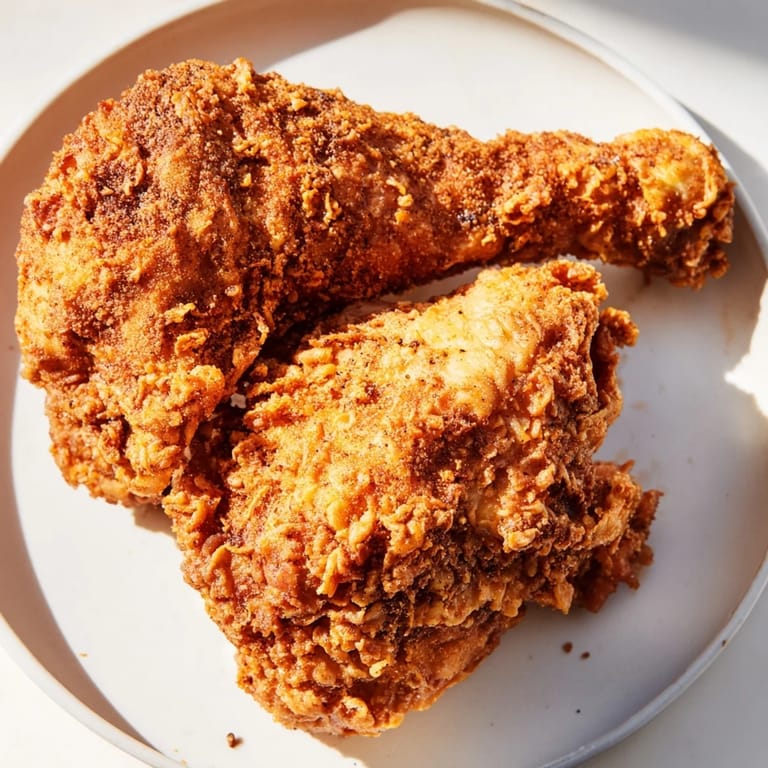
- Transfer cooked pieces to a wire rack (paper towels work but don't drain quite as well) and let them rest for five full minutes, which lets the coating set and stay crispy when you bite into it.
 Save
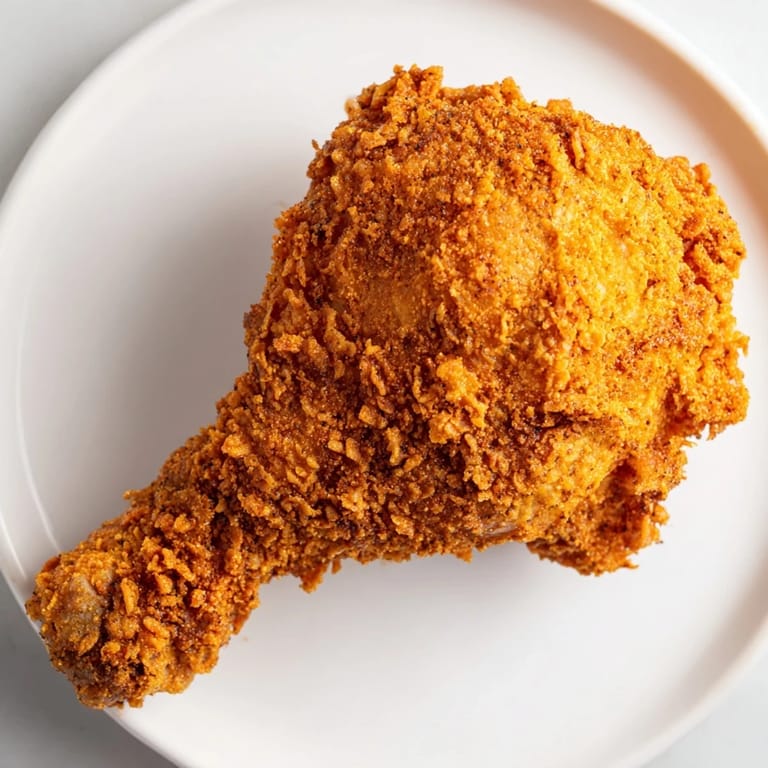
Save There's something almost magical about the moment you pull golden fried chicken from the oil and hear the sound of the coating cracking when someone bites into it. That moment, when you realize you've actually recreated something that rivals what you'd buy, feels like a small victory worth celebrating.
The Double-Dip Secret
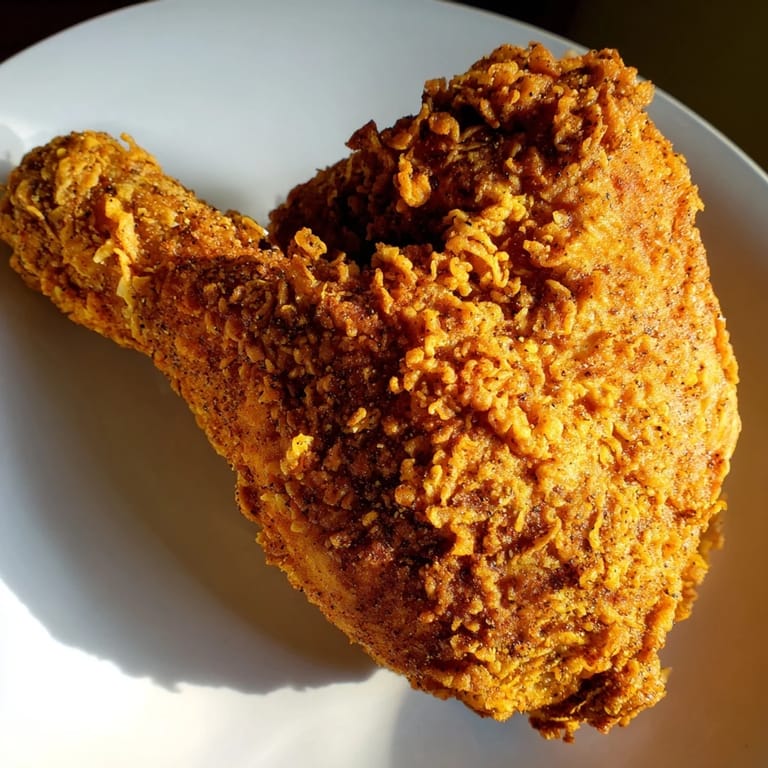
If you want extra crispiness that borders on impossible, try the double-dip method: after your first flour coating has rested for ten minutes, dip the piece back into buttermilk briefly, then coat it in the seasoned flour a second time. This creates two layers of coating that shatter when you bite into them, though it does add about five minutes to your total prep time. The first time I did this, I wasn't sure it would work, but the result was so spectacularly crunchy that I've never gone back to single-dipping.
Perfect Sides and Serving Ideas
Homemade fried chicken tastes best when served with contrast: creamy coleslaw cuts through the richness, crispy fries echo the texture of the coating, and warm biscuits give you something to soak up any remaining seasoning. I've learned that letting the chicken rest for those five minutes before serving actually keeps it warmer longer because the carryover heat stays trapped inside the coating. The meal feels complete and intentional, not rushed.
Adjusting Heat and Flavor to Your Taste
The cayenne pepper in this blend brings warmth without overwhelming heat, but everyone's spice tolerance is different. If you prefer milder chicken, reduce the cayenne to 1/4 teaspoon or even leave it out entirely. Conversely, if you like serious kick, bump it up to a full teaspoon or add hot sauce to your buttermilk marinade for background heat.
- Start with the recipe as written to understand the intended flavor, then adjust the next time based on your preference.
- The other spices create a savory complexity that holds up whether you add heat or remove it.
- Taste a tiny pinch of your spice blend mixture before frying to know exactly what you're working with.
 Save
Save This fried chicken has become my answer to the question of what to cook when I want to impress people without spending hours in the kitchen. It's proof that you don't need a locked vault of secret ingredients or years of culinary training to create something genuinely delicious.
Recipe FAQs
- → What does buttermilk do in the marinade?
Buttermilk tenderizes the chicken and helps the seasoning adhere better, enhancing flavor and juiciness.
- → How can I make the coating extra crispy?
Double-dipping the chicken by coating it twice with buttermilk and seasoned flour creates a thicker, crunchier crust.
- → Can I adjust the spice level?
Yes, adjusting the amount of cayenne pepper in the flour mix can increase or decrease the heat according to taste.
- → What oil is best for frying?
Vegetable oil with a high smoke point is ideal for deep frying to achieve a crisp, golden exterior.
- → How do I know when the chicken is cooked through?
The chicken is done when the internal temperature reaches 75°C (165°F) and the coating is golden brown.
- → Are there alternatives to deep frying?
Air-frying the coated chicken provides a lighter version with crispiness, reducing oil usage.