 Save
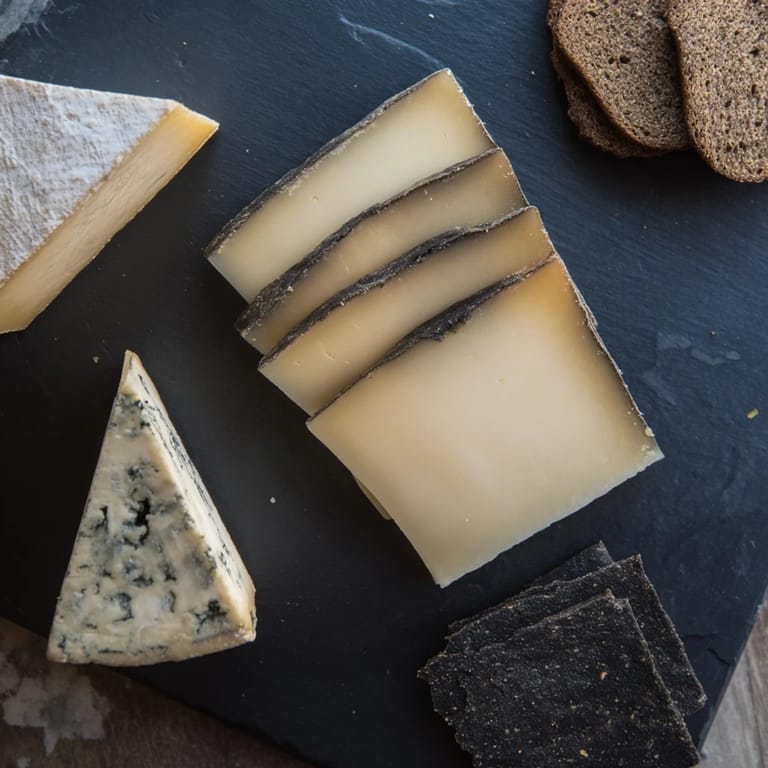
Save I'll never forget the evening I discovered that a cheese board could be a work of art. I was at a gallery opening in the city, and instead of mingling near the paintings, I found myself captivated by the appetizer table. There it was: a stunning dark stone board dressed entirely in shades of gray and charcoal, with ash-rinded cheeses creating a sophisticated landscape of texture and tone. I spent the whole evening studying it, realizing that food could whisper elegance just as loudly as any brushstroke. That night, I went home determined to recreate that moment, and this monochrome cheese board became my love letter to understated sophistication.
I served this board at my best friend's promotion dinner, and she actually took a photo before eating anything. Her words were simply, 'This is too beautiful to disturb,' but of course she did, and the flavors backed up the looks. That's when I knew this wasn't just a pretty arrangement—it was a genuine expression of caring through food.
Ingredients
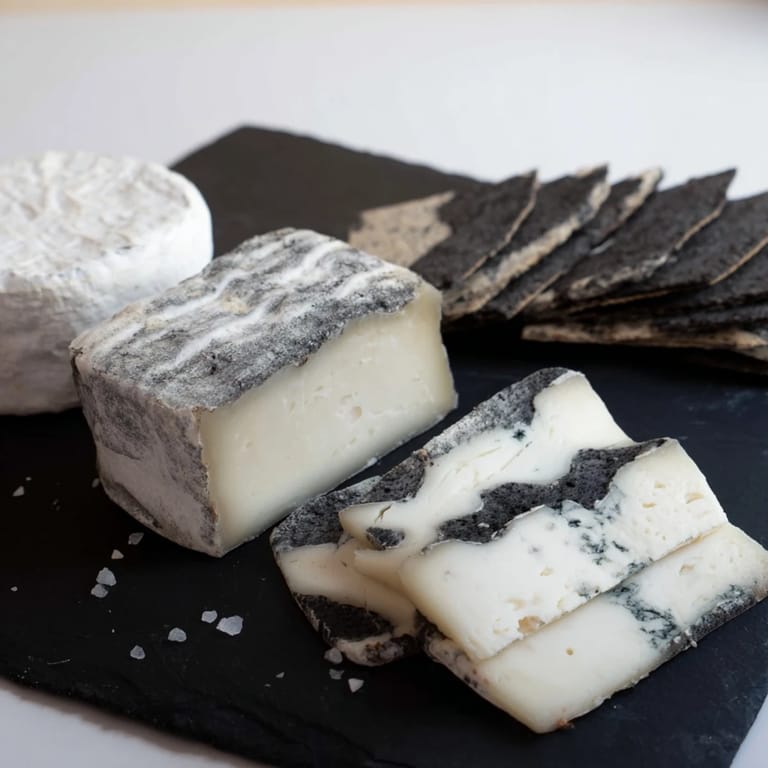
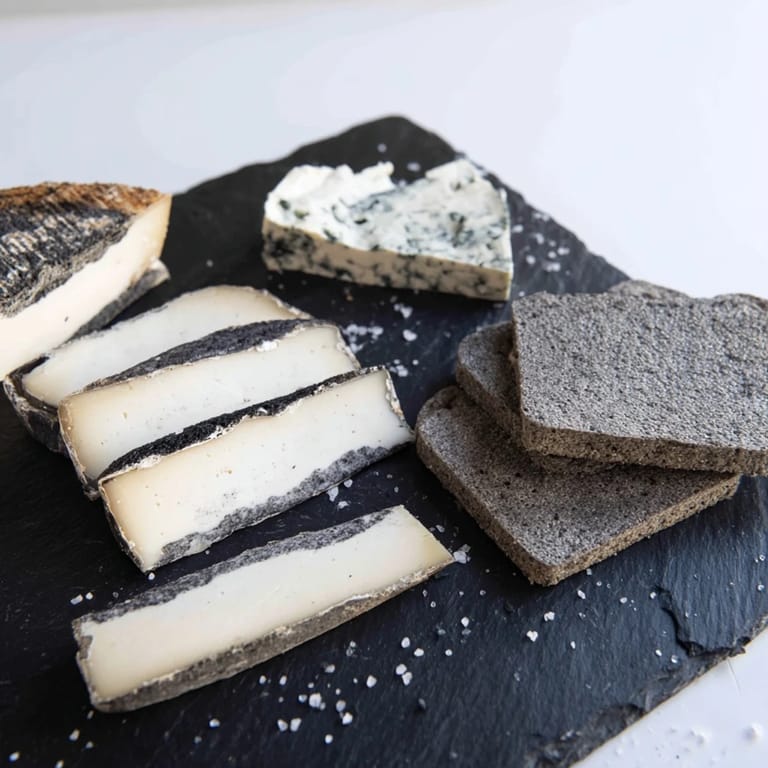
- Morbier or ash-rinded semi-soft cheese (150 g): This cheese has a dramatic ash layer running through the middle, and it's mild enough to let other flavors shine. Choose one that looks creamy rather than chalky, as this means it's properly ripened and will melt on your tongue.
- Humboldt Fog or ash-ripened goat cheese (120 g): The delicate, sometimes slightly fizzy texture of goat cheese brings this board to life. Ash-ripened varieties have a gentler tang than regular chèvre, so they won't overshadow the other players.
- Valdeon blue cheese or similar gray-veined blue (100 g): The bold lines of blue cheese add depth and character. A good blue should smell like the earth and taste complex but not overwhelming—this is where sophistication lives.
- Slate-colored charcoal crackers (8–10 pieces): These taste slightly smoky and are sturdy enough to support cheese without shattering. If you can't find them, black sesame crackers work beautifully and add a subtle nutty undertone.
- Dark rye or pumpernickel bread (6–8 slices): The dense, slightly sweet notes of pumpernickel create an honest base that lets cheese shine. Slice it yourself from a fresh loaf if possible; pre-packaged tends to dry out.
- Black grapes or dark plums: These provide little bursts of sweetness and juiciness that break up the richness of the cheese. Their acidity is your friend here, cleansing the palate between bites.
- Blackberries or blueberries (a small handful): Scatter these like tiny jewels; they add visual interest and a tartness that balances the creamier elements.
- Black olive tapenade (2 tbsp): This salty, briny condiment gives guests a savory option and adds another shade to your monochrome story.
- Edible charcoal salt: This finishing touch is equal parts flavor and theater. It brings a subtle mineral quality that ties the whole board together visually and on the palate.
Tired of Takeout? 🥡
Get 10 meals you can make faster than delivery arrives. Seriously.
One email. No spam. Unsubscribe anytime.
Instructions
- Start with Your Canvas:
- Place your dark stone or slate board on a clean work surface where you have good light. Take a moment to admire its surface—the natural variations in color are part of the beauty. This is your stage.
- Arrange the Cheeses:
- Slice each cheese thoughtfully: the semi-soft into quarter-inch wedges, the goat cheese into rounds or chunky pieces, and the blue into irregular shards that catch the light. Space them out like they're having their own conversation, with room to breathe. Leave roughly equal space between each variety so the eye can appreciate each one.
- Create Texture with Breads:
- Fan the charcoal crackers in gentle arcs, as if they're welcoming the cheeses. Stack a few pumpernickel slices to create height variation. This layering is what makes it feel intentional rather than simply scattered.
- Fill the Gaps with Fruits:
- Cluster the black grapes and dark plums in pockets of negative space. Let some of the fruit spill toward the edge of the board—this feels abundant and natural. Scatter your berries like you're painting with little dots, filling in the spaces that feel empty.
- Add Your Savory Element:
- Pour the tapenade into a small dark bowl, or if you're feeling confident, place it directly onto the board with a small spreader. Either way, it should look like an intentional part of the design.
- The Finishing Touches:
- Sprinkle the charcoal salt over the cheeses with a light hand—this is about enhancement, not burying your work. Add the fresh rosemary or thyme sprigs as a whisper of green against all that gray, or skip them entirely if you want to stay true to the monochrome vision.
- Serve with Intention:
- Set out small plates and cheese knives nearby. The moment someone picks up a knife is the moment your art becomes sustenance. That's the magic right there.
 Save
Save There's something about watching people interact with this board that feels different. No one immediately digs in. There's always a pause, a moment of appreciation. That pause is what makes this board special—it reminds us that food doesn't have to be loud to be memorable.
Wine Pairings That Deepen the Experience
This board was designed with wine in mind, and the right pour elevates everything. A malbec or smoky pinot noir feels like the obvious choice, but I've also had incredible success with a natural orange wine or even a bone-dry champagne. The key is something with enough complexity to stand up to the bold cheeses and enough acidity to cut through the richness. Pour a small glass and taste how each sip changes the way you experience the cheese. You'll understand why people say wine and cheese are meant to dance together.
Building Your Own Monochrome Vision
Once you've made this board once, you'll start seeing gray-toned ingredients everywhere. A local creamery might have a different ash-rinded cheese that's just as stunning. You might discover charcoal-hued vegetables at the farmer's market, or find a new black cracker variety that feels more 'you.' The beauty of this concept is that it's a framework, not a prison. Honor the monochrome principle, but make it your own.
The Art of Arrangement and Visual Drama
Cheese boards live at the intersection of food and design, and I've learned that empty space is just as important as what you put on the board. Don't feel pressured to cover every inch. Sometimes a carefully arranged cluster of three grapes surrounded by negative space says more than chaos ever could. Think about the journey of the eye: where does it land first? What does it discover next? You're not just feeding people; you're inviting them on a visual journey.
- Use odd numbers when grouping fruits or crackers—three looks intentional, four looks accidental.
- Create visual 'pathways' with your ingredients, guiding the eye naturally across the board.
- Step back occasionally and view the board from above, as your guests will see it before they dive in.
 Save
Save A cheese board is never just about sustenance—it's about slowing down and celebrating the moment with people you care about. I hope this one brings you as much joy as it has brought me.
Recipe FAQs
- → What cheeses work best for a monochrome stone board?
Ash-rinded cheeses like Morbier or Humboldt Fog and blue cheeses with gray veining such as Valdeon create the signature look and flavor balance.
- → Which breads and crackers complement the gray aesthetics?
Slate-colored charcoal crackers and dark rye or pumpernickel breads provide the ideal texture and visual harmony.
- → How do the fruits enhance this cheese board?
Black grapes, dark plums, blackberries, and blueberries add juicy sweetness and subtle contrast to the savory elements.
- → What purpose does the edible charcoal salt serve?
Sprinkled over cheeses, it intensifies flavor while adding a delicate smoky note and visual depth.
- → Can herbs be used to garnish this board?
Fresh sprigs of rosemary or thyme provide aromatic contrast and enhance the overall elegance of the presentation.
- → Are there wine pairings recommended for this board?
Smoky reds like malbec or pinot noir complement the rich flavors and add a touch of drama.