 Save
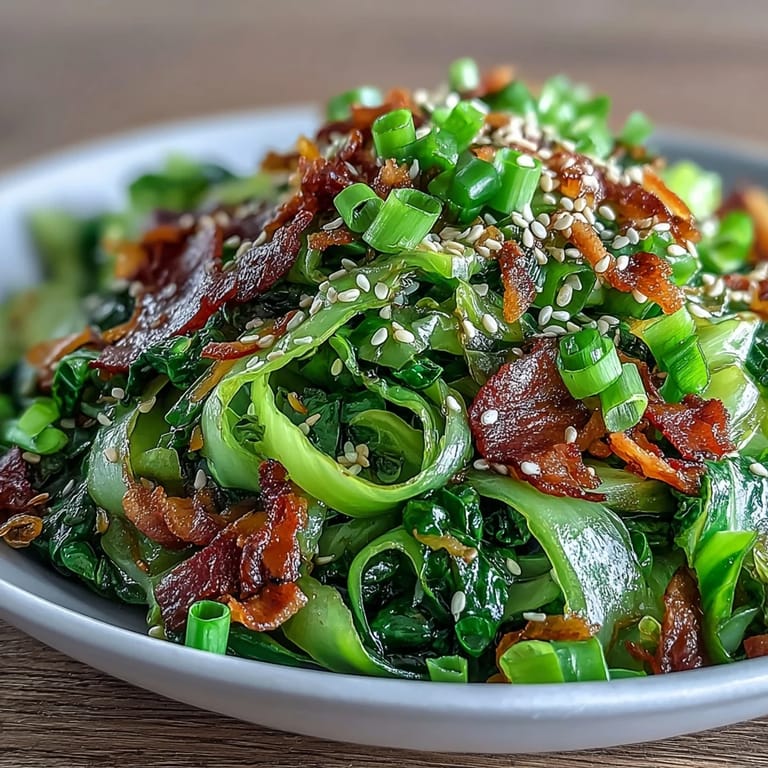
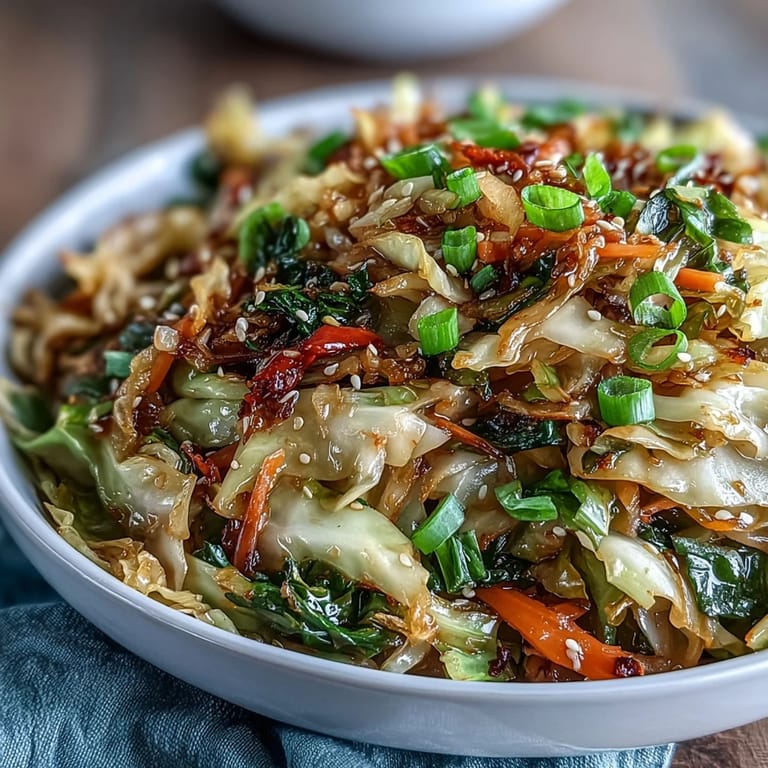
Save The sizzle that fills the kitchen when cabbage hits a blazing-hot wok always makes me pause—it’s a sound that promises flavor. On one Tuesday after a long day, I stumbled upon a crisper drawer overflowing with cabbage, and that's when this spicy stir fry became my impromptu dinner star. As soon as the savory aroma started drifting through my apartment, I caught neighbors peeking in, noses twitching at the scent. What started as a way to clear out leftovers turned into a meal worth making on purpose. It's energetic, quick, and a little feisty, just the kick any weeknight needs.
One chilly evening, I made this for a group of friends who dropped by unannounced, and someone said it tasted like something straight from a bustling night market. We laughed around the table, everyone scooping seconds before I’d even sat down. There’s something about the glossy, spicy cabbage that brings people together—a little messy, very casual, absolutely delicious. My friend Rita now insists I send her home with leftovers every time. Watching everyone chase the last bits with their chopsticks still makes me grin.
Ingredients
- Green cabbage: Slice it thin for the perfect balance of crispness and tender bite; I've found that discarding the core avoids any unwanted chewiness.
- Carrot: Julienned carrot isn’t just for color—it adds a gentle sweetness that plays off the chili's heat nicely.
- Spring onions: Dividing the white and green parts adds layers of sharpness and freshness at just the right moments.
- Garlic: Four cloves might seem plenty but trust me—the punchy aroma is key.
- Fresh ginger: Grating it releases the fragrant oils, a trick I learned after making it once with chunkier slices and missing the bold kick.
- Red chilies: Adjust to your fire tolerance; gloves help if you’re sensitive.
- Soy sauce: Tamari is a lifesaver if you need gluten-free without compromising taste.
- Rice vinegar: This brightens all the flavors, so don’t skip it.
- Toasted sesame oil: Only add this at the end for its nutty perfume; otherwise, it can burn away.
- Sugar or maple syrup: Just a hint counteracts the heat and vinegar for balance.
- White pepper: Don’t substitute with black pepper—it has its own gentle heat.
- Vegetable oil: High-heat oils like peanut or sunflower work best for wok frying.
- Toasted sesame seeds: Sprinkle on at the end for crunch—I keep a jar handy for moments like this.
- Fresh coriander: Optional, but it brings a fresh lift if you love herbs.
Tired of Takeout? 🥡
Get 10 meals you can make faster than delivery arrives. Seriously.
One email. No spam. Unsubscribe anytime.
Instructions
- Get Prepped:
- Prep all your veggies before turning on the stove; once the wok heats up, there's no time to pause.
- Start the Heat:
- Pour vegetable oil in a large wok over high heat; you'll know it's ready when it shimmers and runs easily around the pan.
- Wake Up the Aromatics:
- Add garlic, ginger, and chili, stirring constantly for about 30 seconds until everyone's nose in the house wakes up.
- Add Colour:
- Toss in the white spring onion pieces and carrot, stir-frying briskly so nothing burns, just until you smell sweetness rising.
- Cabbage In:
- Add cabbage, stirring and tossing—it'll look like too much but will shrink; don’t let it sit too long in one spot.
- Saucy Moment:
- Whisk together soy sauce, rice vinegar, sesame oil, sugar, and white pepper; drizzle it around the pan edges and stir so the veggies glisten.
- Finish Cooking:
- Continue tossing until cabbage is tender-crisp and shiny—usually another two to three minutes.
- The Final Toss:
- Off the heat, add the green spring onion tops and swirl them through just before serving.
- Garnish & Serve:
- Scatter over sesame seeds and fresh coriander leaves, then bring straight to the table while it's piping hot.
 Save
Save One late summer night, I served this outside on the patio with friends squeezing around a small table. By the end of the meal, someone suggested it should become a new tradition for our impromptu get-togethers, each gathering with a slightly different sprinkle of extras or a new vegetable thrown in. I realized then how easily a simple dish could anchor laughter, conversation, and the click-clack of chopsticks long after the sun goes down.
How to Make it Your Own
When I’m low on cabbage, I swap in shredded Brussels sprouts or add a handful of shredded kale, and it still turns out snappy and bright. Don’t hesitate to add mushrooms, sliced bell pepper, or toss in some cubed tofu for a heartier spin. My kitchen has seen all sorts of variations—it's almost impossible to mess up, and each version brings something new to the table.
Serving Suggestions & Pairings
I love serving this alongside steamed jasmine rice, letting the glossy sauce drip over the grains. On busier nights, I might pile it high on a plate of noodles or even stuff it into lettuce wraps for makeshift hand-rolled bites. However you serve it, be ready for people to come back for seconds—it disappears shockingly fast.
Troubleshooting Common Mistakes
If your cabbage releases too much liquid and threatens to steam instead of fry, bump up the heat and use the widest pan or wok you’ve got. Keep stirring—if pieces linger at the bottom too long, they'll lose their crunch. Taste for seasoning at the end and don’t hesitate to add a splash more soy sauce or vinegar if needed.
- Add tofu or tempeh for protein, especially if making it a main.
- Don’t overcrowd your pan, or you’ll lose that lovely char.
- Garnish just before serving for the best crunch and fragrance.
 Save
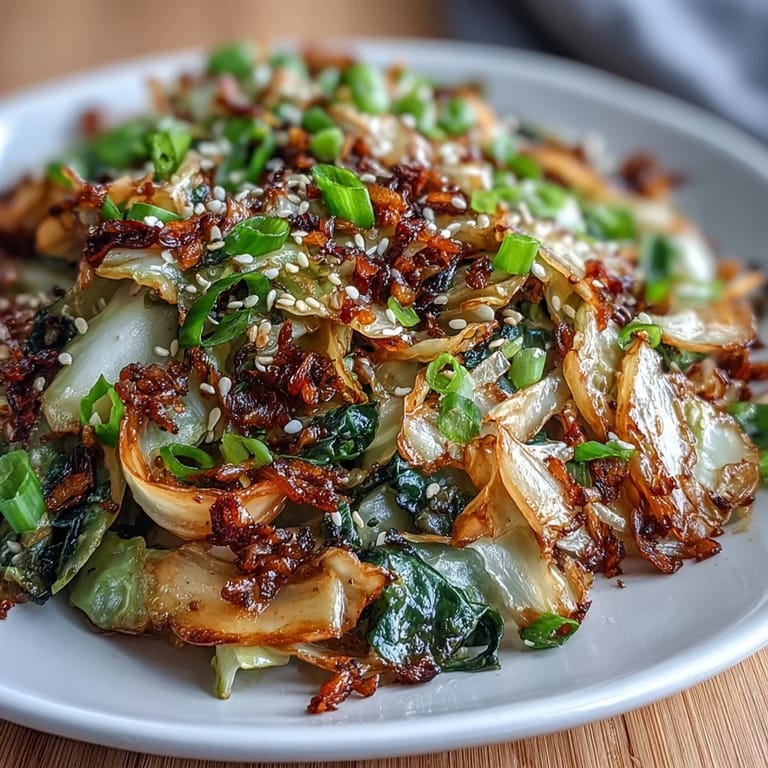
Save All you need is a wok, some cabbage, and an appetite for a little heat. May your kitchen be filled with sizzling sounds, big flavors, and mouths smiling for more.
Recipe FAQs
- → How do I keep the cabbage crisp?
Work over high heat and slice the cabbage thinly so it wilts quickly without becoming soggy. Preheat the wok or skillet until the oil shimmers, stir constantly, and avoid overcrowding the pan to preserve a crisp-tender texture.
- → Which oil is best for stir-frying?
Choose a neutral oil with a high smoke point such as peanut, sunflower or grapeseed. A little toasted sesame oil added at the end provides aroma but avoid using it as the primary frying oil since it burns easily.
- → Can I make this gluten-free?
Yes—swap regular soy sauce for tamari or a certified gluten-free alternative. Double-check labels on any packaged ingredients like sesame oil to ensure they meet gluten-free standards.
- → How can I adjust the heat level?
Reduce the number of fresh chilies or remove their seeds for milder heat. For extra kick, add thinly sliced chilies, a pinch of chili flakes, or a dash of chili oil at the end to control intensity.
- → What's the best way to add protein?
Cube and press firm tofu or slice tempeh, then pan-fry until golden before tossing with the cabbage near the end of cooking. This keeps the protein crisp and allows it to absorb the sauce flavors.
- → Can leftovers be reheated without getting soggy?
Store cooled leftovers in an airtight container and reheat briefly in a hot skillet or wok to revive texture. Avoid microwaving for long periods, which can make the cabbage limp.