 Save
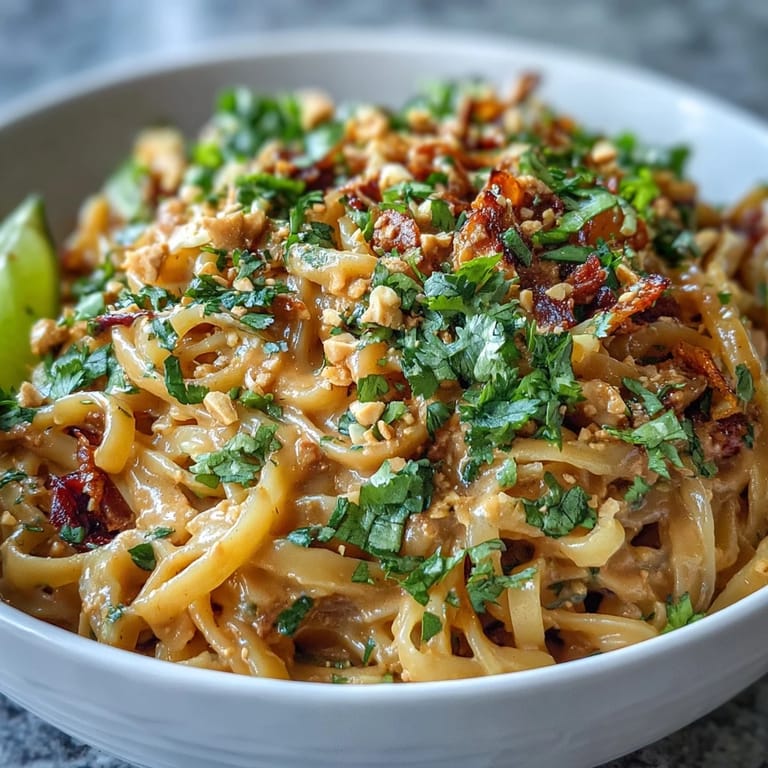
Save There's something about the smell of sesame oil hitting warm noodles that instantly transports me to a tiny noodle shop tucked between buildings in a crowded market. I was there years ago, watching a cook toss noodles with practiced ease, and I realized the magic wasn't in fancy technique—it was in the balance of flavors coming together. That memory stuck with me, and now whenever I make this Asian Peanut Noodle Bowl, I'm chasing that same feeling of vibrant simplicity.
I made this for my neighbor one humid afternoon when she stopped by needing lunch ideas, and watching her fork into the bowl with barely a greeting told me everything. She came back the next week asking for the recipe, which meant the world because she's not someone who gets excited about food easily.
Ingredients
- Rice noodles or wheat noodles (300 g): Rice noodles keep the dish lighter and are naturally gluten-free, though wheat noodles add a pleasant chew; cook them just until tender, not mushy, since they'll soften slightly as they sit in the dressing.
- Carrot, julienned (1 medium): The sweetness balances the savory dressing beautifully, and cutting them into thin matchsticks means they're ready to eat without cooking.
- Red bell pepper, thinly sliced (1 small): This adds brightness and a slight crunch that contrasts perfectly with the soft noodles.
- Red cabbage, shredded (1 cup): It holds its texture and adds an earthy note that deepens the overall flavor profile.
- Scallions, thinly sliced (2): Reserve some of the green parts for garnish since they add a fresh, oniony bite at the very end.
- Fresh cilantro leaves (1/2 cup): This is the herb that makes the dish sing—don't skip it or substitute unless absolutely necessary.
- Bean sprouts (1/2 cup): They wilt slightly when tossed with warm noodles but stay tender and add a delicate, slightly nutty flavor.
- Creamy peanut butter (1/3 cup): Use natural peanut butter if you like, but creamy versions blend more smoothly into the dressing.
- Soy sauce (2 tbsp): Tamari works beautifully if you're avoiding gluten and honestly tastes cleaner to my palate.
- Sesame oil (1 tbsp): Toast-colored sesame oil is what you want here—it has the deepest flavor and makes the dressing unforgettable.
- Rice vinegar (1 tbsp): The acidity cuts through the richness of the peanut butter and keeps the dish from feeling heavy.
- Honey or maple syrup (1 tbsp): This rounds out the dressing and brings all the flavors into harmony without making it sweet.
- Freshly grated ginger (1 tsp): Grate it just before mixing so the oils are still bright; jarred ginger tastes a bit flat in comparison.
- Garlic clove, minced (1 small): Raw garlic works perfectly here and adds a gentle spice that melts into the dressing.
- Warm water (2–4 tbsp): This adjusts the dressing's thickness, so add gradually until you reach your preferred consistency.
- Roasted peanuts, chopped (2 tbsp): These go on top for that final crunch and to remind you why peanut noodles exist.
- Toasted sesame seeds (1 tsp): They scatter across the top like edible confetti and add nuttiness.
- Lime wedges: Squeezing fresh lime over everything just before eating brightens all the flavors instantly.
Tired of Takeout? 🥡
Get 10 meals you can make faster than delivery arrives. Seriously.
One email. No spam. Unsubscribe anytime.
Instructions
- Cook the noodles until just tender:
- Follow the package timing closely because overcooked noodles will turn into mush once they're coated in dressing. Drain them and run cold water over everything, shaking out excess water so they don't clump together.
- Build the peanut dressing while the noodles cool:
- Whisk the peanut butter with soy sauce, sesame oil, rice vinegar, honey, ginger, and garlic in a bowl, feeling the dressing come together as you mix. Add warm water gradually, whisking until it's smooth and pourable—this is where patience pays off because a lumpy dressing won't coat the noodles evenly.
- Combine noodles and vegetables in one big bowl:
- Toss everything together gently so you don't crush the delicate bean sprouts or vegetables. The noodles should look like they're hugging all those fresh ingredients.
- Pour the dressing over and toss until coated:
- This is the most satisfying part because suddenly everything comes together into one unified, glossy dish. Toss with enough enthusiasm that every strand gets kissed by the dressing.
- Plate and garnish like you mean it:
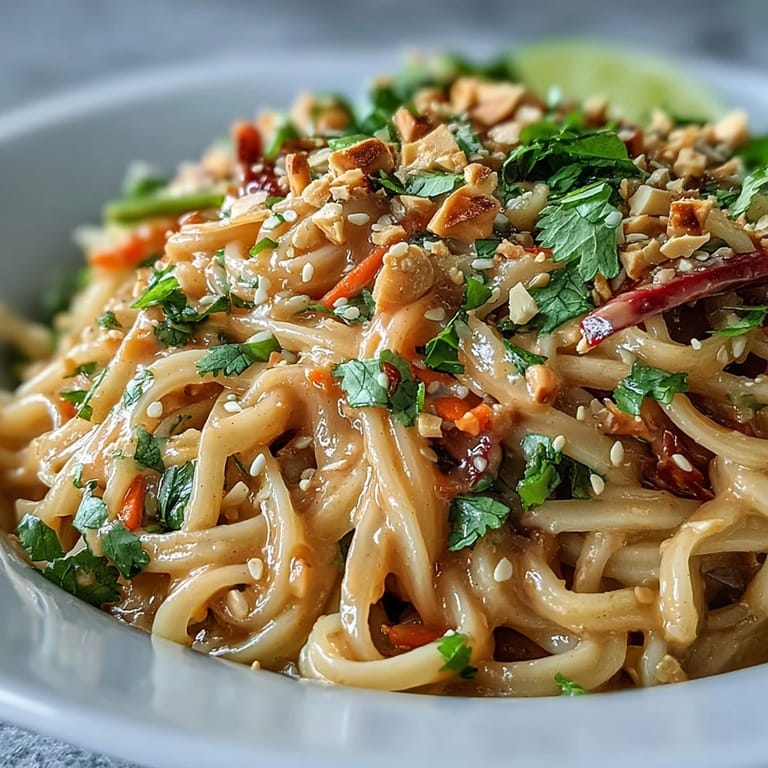
- Divide among bowls, then scatter peanuts, sesame seeds, and extra cilantro and scallions across the top. The toppings aren't just decoration—they're the final layer of flavor and texture.
- Serve cold or warm with lime on the side:
- A squeeze of fresh lime over everything is non-negotiable and transforms the bowl into something even brighter.
 Save
Save My daughter once declared she wasn't eating vegetables, and then she ate an entire bowl of this without complaint because she was too busy enjoying the peanut sauce to notice they were there. That's when I understood this recipe's real power—it doesn't feel virtuous, just delicious.
Why This Bowl Works for Any Day
This noodle bowl exists in that perfect space where it's substantial enough for dinner but light enough for lunch without that guilty, overstuffed feeling. I've made it on rushed weeknight evenings when I had exactly thirty minutes, and I've also prepared it the night before for office lunches when I needed something better than sad desk food. The vegetables stay crisp enough in the fridge, and the noodles absorb more dressing overnight, which some people love and others find too intense—so find your rhythm.
Making It Your Own Without Losing the Plot
The beauty of this recipe is how customizable it becomes once you understand the framework—the dressing formula stays constant, but everything else bends to your preferences. I've added thin slices of grilled chicken, crumbled tofu that's been pan-fried until the edges are crispy, and even shrimp when I wanted something fancier. Some weeks I throw in thinly sliced cucumber for extra freshness or snap peas for crunch; other times I swap cilantro for Thai basil if that's what I have growing in my windowsill.
The Science Behind Why This Tastes Restaurant-Quality
The peanut butter might sound like it would make this heavy, but the acid from the rice vinegar and lime juice actually cuts through the richness and keeps everything feeling bright and alive. The sesame oil is doing equally important work—it carries flavor in a way that oil alone can't—so don't treat it as optional. The warmth of the spices (ginger and garlic) plus the sweetness from honey creates layers that make you want another bite, and suddenly you're eating more vegetables than you planned.
- Always taste the dressing on its own first—seasoning comes down to personal preference, and you might love more garlic or prefer less heat.
- If you're making this ahead, keep the dressing separate and toss everything together just before eating so the noodles don't get soggy.
- Room temperature versus cold makes a real difference in how the flavors come across; cold noodles taste brighter, while warm ones taste richer.
 Save
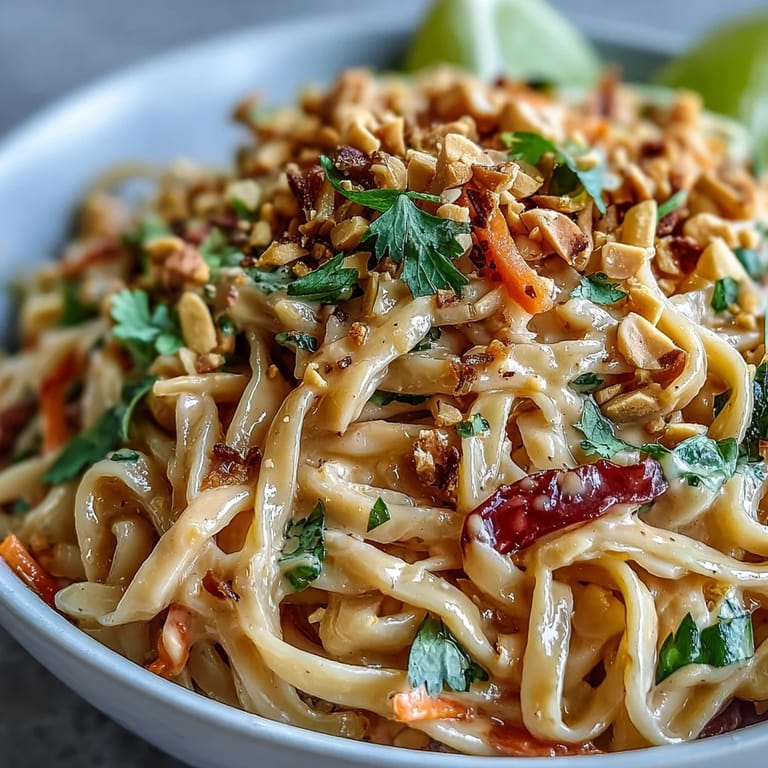
Save This bowl tastes like a moment of brightness in the middle of an ordinary day, the kind of meal that reminds you why cooking for yourself matters. It's simple enough not to be intimidating but interesting enough to feel like something special, which is exactly where food should live.
Recipe FAQs
- → Can I make this dish gluten-free?
Yes. Use rice noodles instead of wheat noodles and substitute tamari for regular soy sauce. Double-check all packaged ingredients to ensure they're certified gluten-free.
- → How do I store leftovers?
Store the noodle bowl in an airtight container in the refrigerator for up to 3 days. Keep the dressing separate if possible, and toss before serving to maintain the best texture.
- → Can I add protein to make it more filling?
Absolutely. Grilled tofu, shredded chicken, or sautéed shrimp work beautifully. Cook your protein separately and slice or shred it before adding to the bowl.
- → What vegetables can I substitute?
Snap peas, cucumber, thinly sliced radishes, or shredded Brussels sprouts make excellent additions or substitutions. Use whatever fresh, crisp vegetables you have on hand.
- → How can I adjust the dressing consistency?
Add warm water one tablespoon at a time until you reach your desired thickness. For a thinner dressing, add more liquid. For a thicker, creamier consistency, reduce the water.