 Save
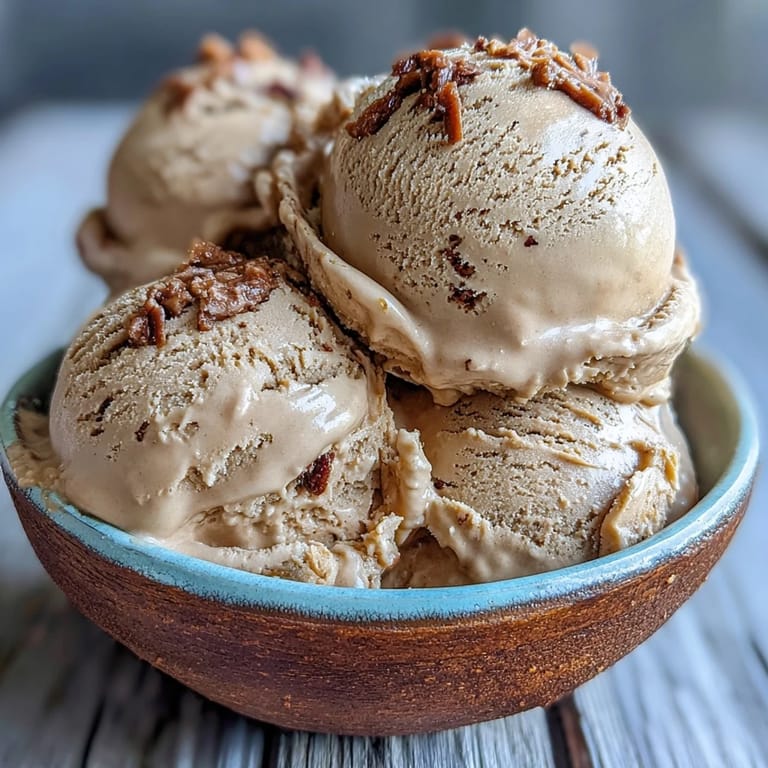
Save My first encounter with hojicha ice cream happened on a humid summer afternoon at a small tea house in Kyoto, where the owner's daughter scooped it into a delicate ceramic bowl and explained how roasting green tea transforms it into something almost caramel-like. I was skeptical at first—tea ice cream sounded precious and forgettable—but that first spoonful changed everything. The nutty warmth lingered on my tongue, sophisticated without being pretentious, and I spent the rest of the evening trying to decode its magic. Years later, I finally reverse-engineered it in my own kitchen, and now it's become the dessert I make when I want to impress people without exhausting myself.
I tested this recipe on my neighbor who claims she doesn't like tea, and watched her face go quiet after the first spoonful—that particular kind of quiet that means something clicked. She asked for the recipe the next morning, and when I told her the main ingredient was hojicha, she laughed and said she'd been drinking it wrong her whole life. That's when I realized this ice cream isn't about converting people to tea lovers; it's about showing them what they've been missing.
Ingredients
- Heavy cream (2 cups): The foundation of everything creamy and rich; don't skip the full-fat version or you'll lose the luxurious mouthfeel that makes this special.
- Whole milk (1 cup): Balances the cream's density and lets the hojicha flavor shine without being drowned in butterfat.
- Hojicha loose leaf tea (3 tablespoons): Loose leaf extracts cleaner, more nuanced flavor than tea bags, but bags work fine in a pinch—just use four instead of three.
- Egg yolks (4 large): These create that silky custard base that separates homemade ice cream from the icy stuff; room temperature yolks incorporate more smoothly.
- Granulated sugar (2/3 cup): Not just sweetness—it stabilizes the egg mixture and helps the ice cream freeze to the right consistency.
- Fine sea salt (pinch): A whisper of salt deepens the tea flavor and prevents the sweetness from feeling flat or one-dimensional.
Tired of Takeout? 🥡
Get 10 meals you can make faster than delivery arrives. Seriously.
One email. No spam. Unsubscribe anytime.
Instructions
- Heat your cream and milk:
- Pour both into a saucepan and warm over medium heat until you see wisps of steam rising but no actual bubbles breaking the surface. You want it hot enough to infuse the tea properly, but not boiling or you'll lose those delicate roasted notes.
- Steep the hojicha:
- Add your tea to the hot cream mixture, lower the heat, cover, and let it sit for exactly ten minutes. This is when your kitchen will smell like a sophisticated tea house, and yes, it's worth standing there for.
- Strain with intention:
- Pour everything through a fine sieve, using the back of a spoon to gently press the tea leaves and coax out every last bit of flavor. Don't be aggressive—you're extracting essence, not making it bitter.
- Prepare your egg mixture:
- In a separate bowl, whisk your yolks with sugar and salt until the mixture is pale and noticeably thicker than when you started. This takes a few minutes but it's crucial; the pale color means you've incorporated enough air.
- Temper the yolks carefully:
- This is the moment that intimidates people, but it's simple if you go slowly: pour about a cup of your warm hojicha mixture into the yolks while whisking constantly. You're slowly raising their temperature so they don't scramble when you combine them.
- Combine and cook:
- Pour the yolk mixture back into the saucepan with the remaining hojicha cream and cook over low heat, stirring constantly with a wooden spoon. You're looking for that magical moment when the custard coats the back of the spoon—around 170 to 175 degrees Fahrenheit—which usually takes eight to ten minutes.
- Cool and chill:
- Strain the custard into a clean bowl to remove any bits of cooked egg, let it cool to room temperature, then cover and refrigerate for at least four hours. This resting time is when the flavors settle and deepen, so don't skip it even if you're impatient.
- Churn and freeze:
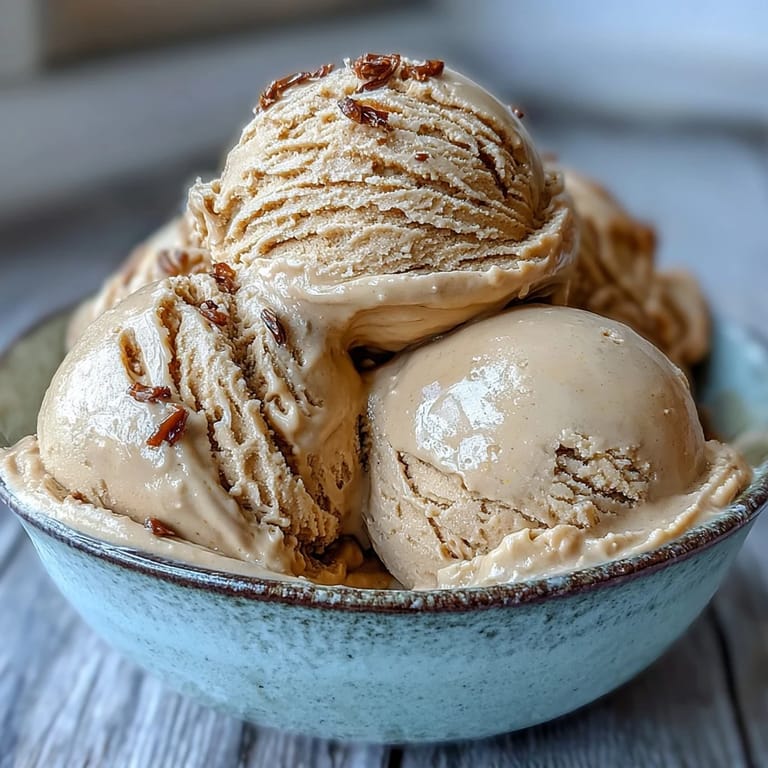
- Transfer your chilled custard to an ice cream maker and churn according to the manufacturer's instructions, which usually takes twenty to thirty minutes. Once it reaches soft-serve consistency, transfer to an airtight container and freeze for at least two hours before serving.
 Save
Save My mother tasted this ice cream on her birthday and asked me to make it again for her book club, and suddenly I was the person known for this one specific dessert. There's something beautiful about becoming known for one thing made well, even if it started as an accident of curiosity on a summer afternoon in Kyoto.
Why Hojicha Changes Everything
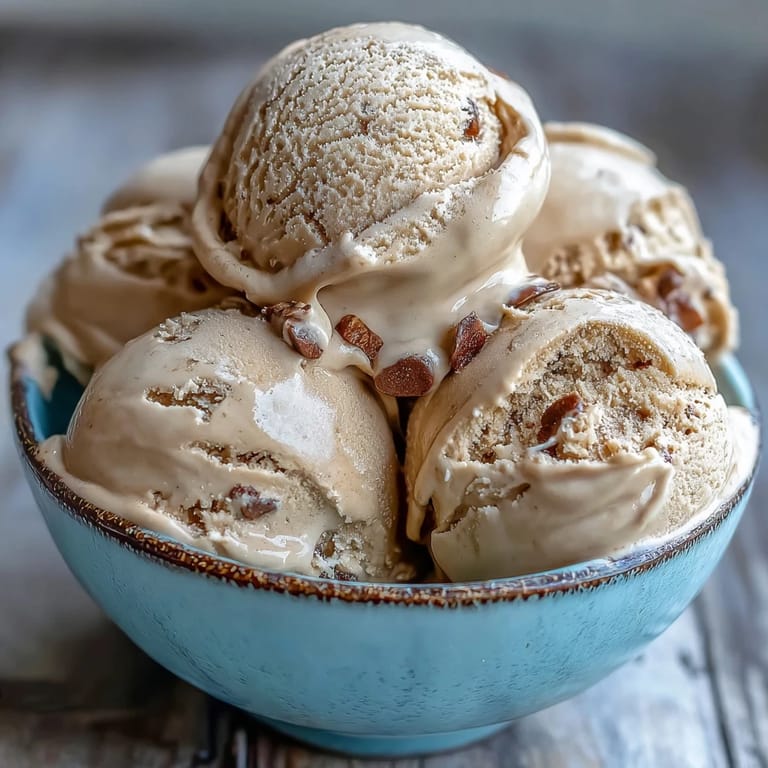
Hojicha is green tea that's been roasted at high temperatures, which strips away the grassy notes and replaces them with something warm, almost caramel-like, and deeply comforting. Most people have experienced regular green tea—sharp, sometimes astringent—so they assume all tea tastes that way. Hojicha is the plot twist; it tastes like autumn and toasted nuts and something your grandmother might have served at four in the afternoon. In ice cream form, it becomes something between dessert and sophistication, which is exactly why people can't quite figure out what they're tasting.
The Science of Custard-Based Ice Cream
Ice cream makers use egg yolks because they contain lecithin, a natural emulsifier that helps fat and water get along in ways they normally wouldn't. This is why homemade custard ice cream feels silkier and scoops more smoothly than ice cream made with just cream and milk—the yolks are doing chemistry work while you're just enjoying the results. The churning process also matters because it breaks up ice crystals as they form, creating that creamy texture instead of the dense, icy block you'd get if you just froze the mixture flat.
Making It Your Own
This recipe is elegant as-is, but it also welcomes gentle experimentation if you're feeling playful. The base is solid enough that you can add a whisper of vanilla extract, a pinch of cardamom, or even a touch of miso paste—each one shifts the flavor in interesting ways. Some people finish a scoop with a drizzle of honey or a sprinkle of toasted sesame seeds, transforming a simple dessert into something that feels intentional and special.
- Toast your own sesame seeds if you can; the difference between pre-toasted and fresh-toasted is noticeable and worth the five minutes.
- If you don't have an ice cream maker, you can freeze the mixture in a shallow pan and stir it every thirty minutes, though the texture won't be quite as silky.
- Make this a day or two ahead if you're serving it at a dinner party—it actually tastes better after the flavors have had time to settle.
 Save
Save This ice cream tastes like a conversation with someone who understands quiet elegance, and that's the best kind of dessert to have in your repertoire. Make it once and you'll understand why I keep coming back to it.
Recipe FAQs
- → What makes hojicha different from regular green tea?
Hojicha is roasted green tea that develops a distinctive reddish-brown color and mellow flavor. The roasting process reduces bitterness and creates nutty, caramel-like notes that are less vegetal than standard green tea.
- → Can I make this without an ice cream maker?
Yes, though the texture will be slightly different. Pour the chilled custard into a shallow container and freeze, stirring every 30 minutes for the first 3 hours to break up ice crystals.
- → How long will this keep in the freezer?
Properly stored in an airtight container, this maintains best quality for 1-2 weeks. For optimal texture, let it soften 5-10 minutes at room temperature before serving.
- → What pairs well with this dessert?
The caramel notes complement fresh figs, persimmons, or roasted peaches. A drizzle of sweetened condensed milk, toasted sesame seeds, or red bean paste creates authentic Japanese flavors.
- → Can I use hojicha powder instead of leaves?
Absolutely. Use 2 tablespoons of powder and whisk directly into the warmed milk mixture. No straining is needed, though the flavor may be slightly more intense.
- → Why must I temper the egg yolks?
Tempering gradually warms the eggs to prevent scrambling when combined with hot liquid. This technique ensures a silky, smooth custard without cooked egg bits.