 Save
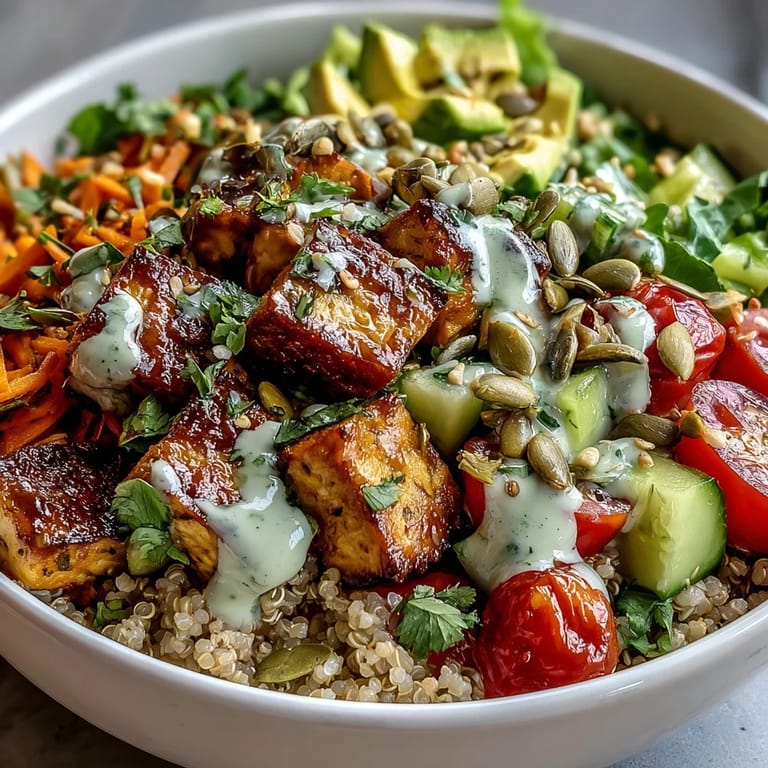
Save My roommate came home one Tuesday with a tray of mismatched containers, each holding something different—leftover roasted vegetables, some cooked grains, a protein she'd meal-prepped days before. She dumped them all into a bowl, drizzled something golden over it, and I watched her eat the most satisfying lunch I'd ever seen someone consume standing up at the kitchen counter. That moment taught me that the best meals don't need to follow a script; they just need intention and whatever you've got on hand. A customizable grain bowl became my answer to those nights when my fridge felt full but my ideas felt empty.
I made these bowls for a potluck once where I genuinely didn't know what everyone ate. Instead of stressing, I set up a build-your-own station with all the components separated. Watching people layer their own bowls, swapping things out, getting excited about combinations they'd never tried before—that's when I realized this wasn't just convenient, it was actually fun. Food became less about following orders and more about discovery.
Ingredients
- Grains (choose 1-2): Brown rice is forgiving and hearty, quinoa adds protein and a slight nuttiness, farro brings chew and depth, couscous cooks fastest if you're in a hurry—pick what speaks to you or what you've already got waiting in the back of your cabinet.
- Proteins (choose 1-2): Chicken is reliable, tofu gets better each time you learn to season it properly, chickpeas add earthiness and fiber, shrimp brings brightness—layer two if you want richness or stick with one if you prefer simplicity.
- Vegetables (choose 3-4, raw or roasted): Cherry tomatoes burst with acidity, cucumber keeps things crisp and cool, sweet potato adds natural sweetness and body, broccoli gets nutty when roasted, carrots bring crunch, avocado is there when you want richness and silk.
- Toppings and Extras: Feta crumbles add sharp saltiness, toasted seeds or nuts give texture and healthy fats, fresh herbs brighten everything they touch, sesame seeds scatter both flavor and visual interest.
- Dressings (choose 1): Lemon-tahini is creamy and grounding, balsamic vinaigrette tastes like comfort, soy-ginger brings heat and umami, green goddess makes everything taste like spring.
Tired of Takeout? 🥡
Get 10 meals you can make faster than delivery arrives. Seriously.
One email. No spam. Unsubscribe anytime.
Instructions
- Cook Your Grains with Purpose:
- Follow package directions but add a pinch of salt and maybe a bay leaf if you're feeling it. Let them cool just enough that they're not steaming—warm grains hold dressing better than hot ones, and you won't burn your mouth trying to taste as you go.
- Gather Your Proteins:
- Use leftovers if you have them, or cook fresh—bake chicken in a 400°F oven for about 20 minutes, press and pan-fry tofu until the edges are golden, simmer chickpeas with spices until they're warm through, or quickly sauté shrimp until they pink up. Season generously because proteins are the anchor of flavor.
- Prepare Vegetables with Intention:
- Wash and chop everything into similar-sized pieces so they feel like they belong together in a bowl. Roast heartier vegetables at 425°F for 20-25 minutes until they're caramelized; leave delicate ones raw so they stay crisp.
- Build Your Bowl from the Bottom Up:
- Start with grains as your base, nestle your protein on top, arrange vegetables in little sections or scattered freely—there's no wrong way. Leave enough room so the dressing can find its way into every bite.
- Finish with Flourish:
- Sprinkle your toppings right before eating; this keeps nuts crispy and seeds from getting soggy. Drizzle dressing last and taste as you mix, adjusting salt or acidity as needed.
- Store Smart for Meal Prep:
- Keep grains, proteins, vegetables, and dressing in separate containers so everything stays fresh and crisp for up to four days. Assemble only what you're eating today and you'll thank yourself at lunch tomorrow.
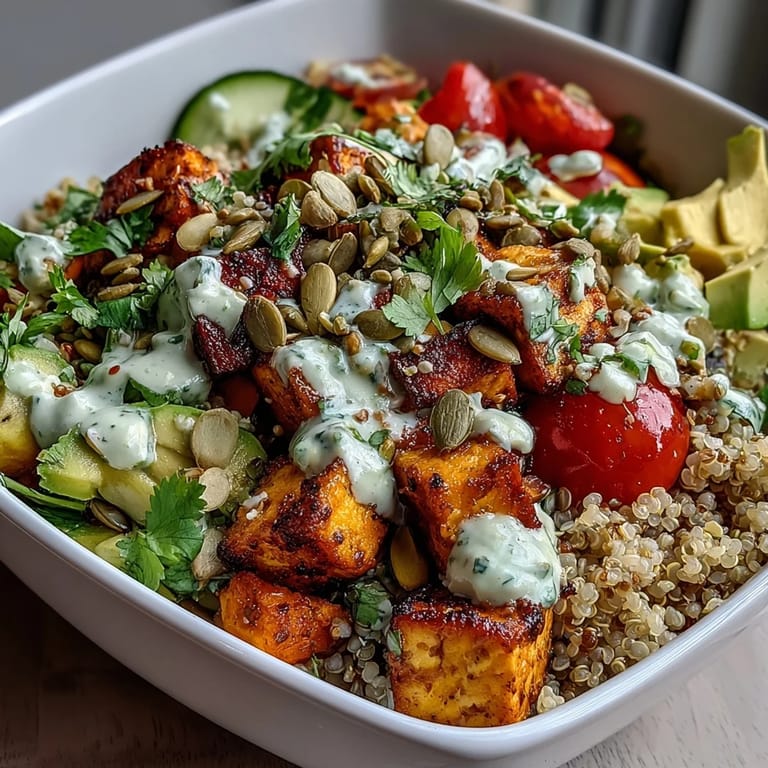 Save
Save A friend brought her grandmother to one of my dinner parties and I made these bowls for the first time for a group. The grandmother, who'd been skeptical about "deconstructed" food, spent twenty minutes arranging and rearranging her vegetables, then ate two bowls and asked for the recipe. Later that week, my friend texted me a photo of them cooking together, building bowls side by side in their kitchen. That's when I knew this wasn't just practical—it was connective.
The Grain Game
Choosing your grain sets the entire mood of the bowl. Brown rice feels earthy and familiar, quinoa brings a slight bitterness that sharpens other flavors, farro has this chewy substance that makes everything feel more substantial, couscous disappears almost entirely so it gets out of the way for other stars. I rotate through them based on the season and what proteins I'm planning around. In summer with light proteins and raw vegetables, I lean toward couscous. In cooler months when I'm using roasted vegetables and hearty proteins, I go for farro.
Dressing as Glue
The dressing is what transforms a collection of separate components into something that feels intentional and whole. A tahini-based dressing is forgiving and rich, perfect when you want the bowl to feel like a hug. A vinaigrette is bright and can make even sad vegetables taste alive. Soy-ginger brings umami and heat, making you feel like you're eating something restaurant-quality. Green goddess tastes like someone cared. I make dressings in small jars and shake them right before pouring so the emulsion holds. Sometimes I double the recipe because the leftover dressing disappears faster than the actual bowl components—people will find it and use it on salads, roasted vegetables, grain leftovers, anything they can.
Making It Personal
The real magic happens when you stop thinking of this as a recipe and start thinking of it as a framework. Your preferences are the only rule that matters. Someone in your life vegan? Swap the chicken for chickpeas and skip the cheese. Someone doing low-carb? Use cauliflower rice instead of grains. Someone who only eats one thing at a time? Build their bowl with just components that don't touch. I've learned to cook less like an instruction manual and more like I'm facilitating what people actually want to eat.
- Trust your instincts about what flavors go together—if you like the individual ingredients, they'll probably be happy in the same bowl.
- Keep your pantry stocked with roasted nuts, seeds, good vinegars, and a jar of tahini and you're never more than twenty minutes from a satisfying meal.
- The best part about customizable bowls is that there are no mistakes, only versions of what you wanted.
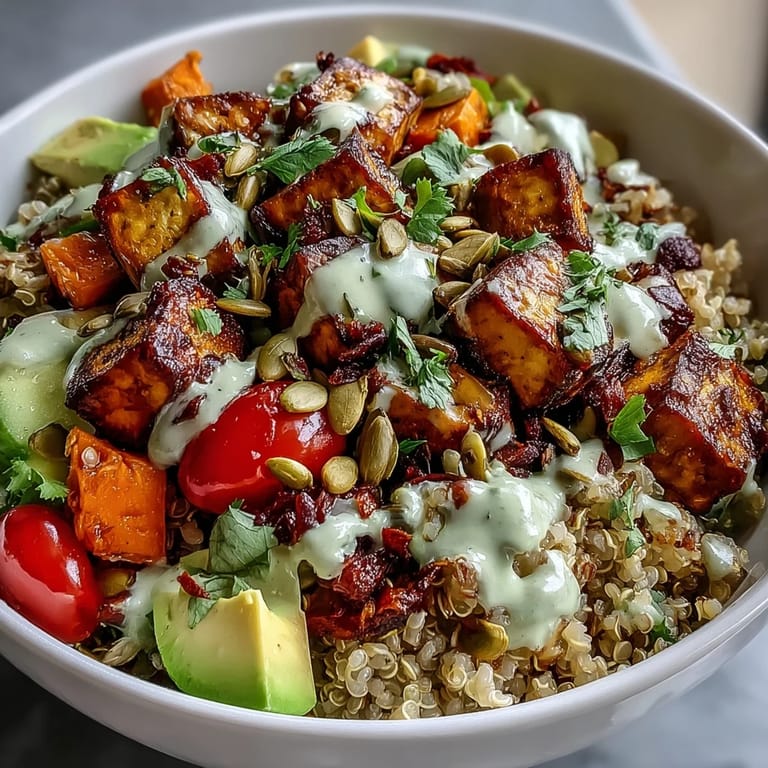 Save
Save These bowls taught me that the best meals are the ones that bend to fit your life instead of demanding you bend to fit them. Build one today and make it exactly what you need it to be.
Recipe FAQs
- → What grains work best for grain bowls?
Brown rice, quinoa, farro, and couscous all provide excellent bases. Choose grains based on texture preference and dietary needs. For lighter options, try cauliflower rice or mix in leafy greens.
- → How do I prevent ingredients from getting soggy?
Store components separately in airtight containers. Keep grains and proteins refrigerated, and store vegetables with a paper towel to absorb excess moisture. Add dressing just before serving.
- → Can I prepare these bowls in advance?
Absolutely. Cook grains and proteins up to 4 days ahead. Chop vegetables and prepare dressings 2-3 days before. Assemble bowls fresh when ready to eat for optimal texture and flavor.
- → What protein options work well?
Chicken breast offers lean protein, while baked tofu absorbs flavors beautifully. Chickpeas provide plant-based protein and fiber, and shrimp adds quick-cooking seafood richness. Mix and match for variety.
- → Which dressings complement grain bowls?
Lemon-tahini adds creamy richness, balsamic vinaigrette offers bright acidity, soy-ginger provides savory depth, and green goddess delivers herbaceous freshness. Each dressing transforms the bowl's character.
- → How can I add more flavor?
Incorporate pickled vegetables, kimchi, or sriracha for tangy heat. Toast nuts and seeds before topping to enhance their nuttiness. Finish with fresh herbs like cilantro or parsley for brightness.