 Save
Save The first time I made this soup was during one of those bleak February weeks when everyone around me seemed to be fighting off something. I needed something that felt like medicine but actually tasted good, and this ginger-miso broth saved me. The way my entire kitchen filled with that sharp, warm ginger scent was enough to make me feel better before I even took a sip.
Last winter my neighbor came over shivering after her car would not start, and I made her a bowl of this soup. She sat at my counter wrapped in a blanket, and by the time she finished, her color had returned and she was asking for the recipe. Now whenever temperatures drop below freezing, she texts me asking if I have any going.
Ingredients
- Water or low-sodium vegetable broth: Starting with a light base lets the ginger and miso really shine without competing flavors
- Fresh ginger: Do not peel it, just give it a wash and slice it thin for maximum warmth and depth
- Garlic cloves: Thin slices release their flavor more gently than minced cloves
- White or yellow miso paste: White is milder and sweeter, yellow has more punch, both work beautifully
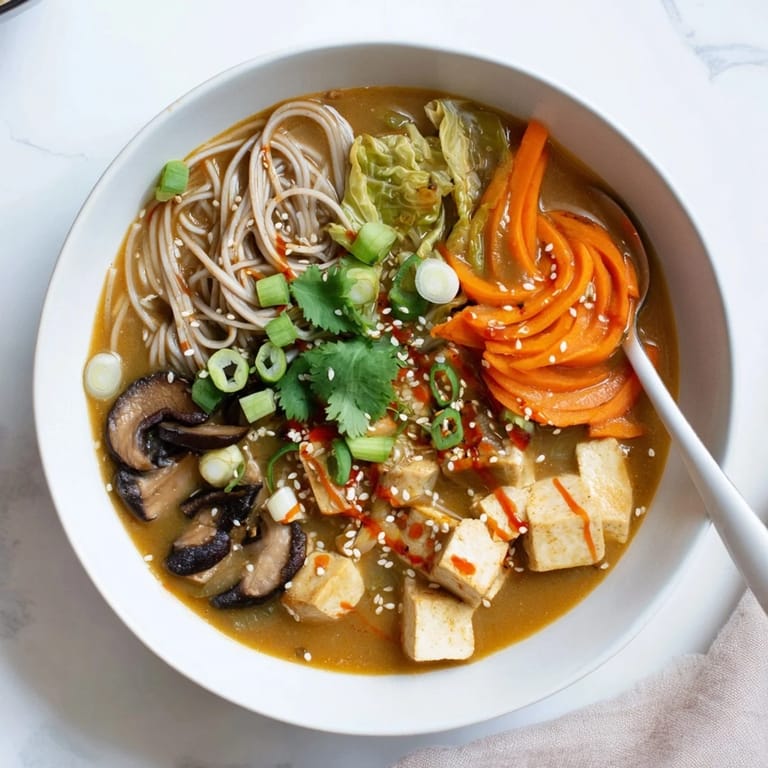
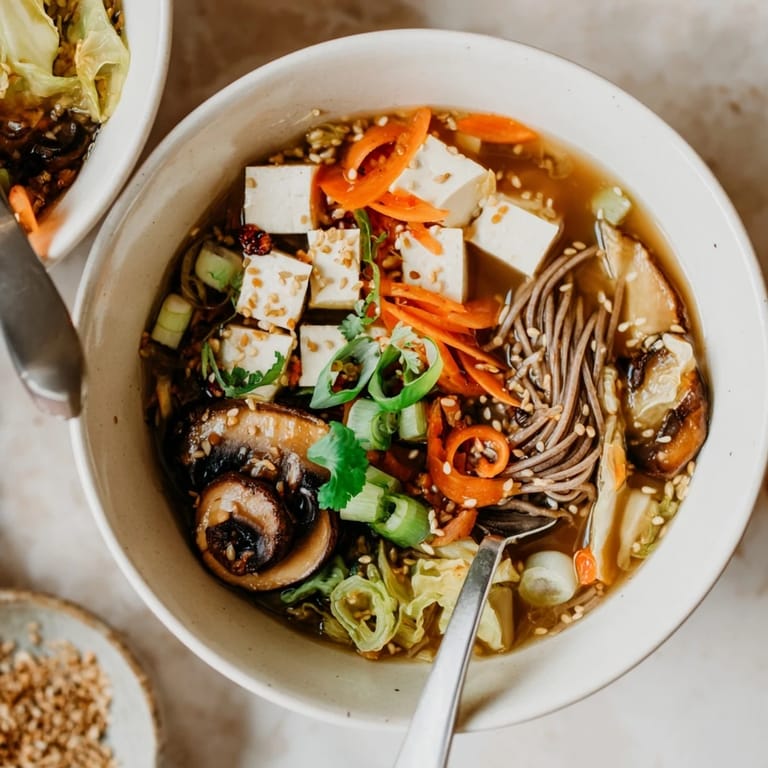
- Napa cabbage: Adds a lovely sweetness and texture that holds up perfectly in hot broth
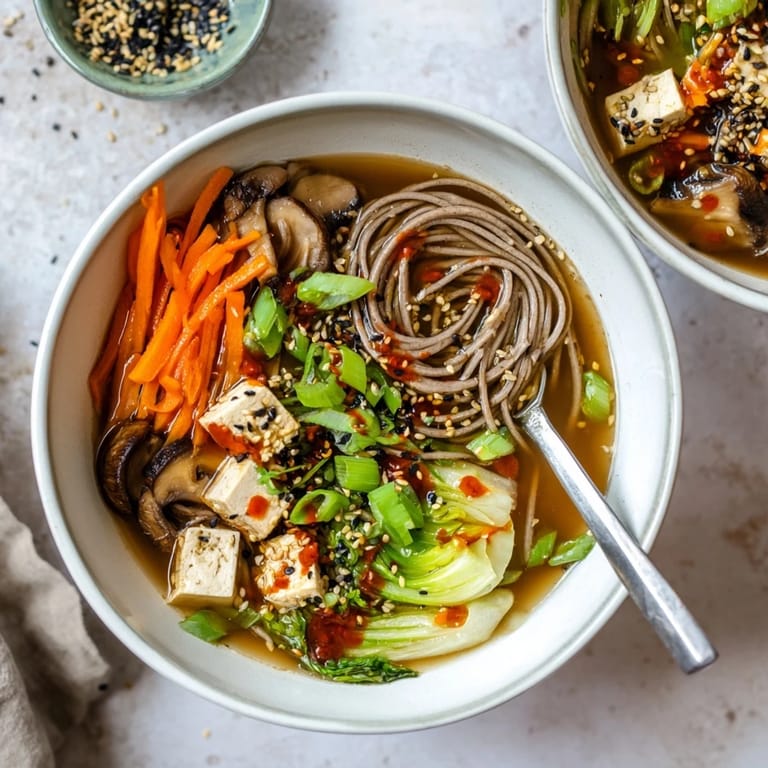
- Carrot: Julienned or thinly sliced, they bring color and a subtle sweetness
- Shiitake mushrooms: Their meaty texture and earthy flavor make every spoonful satisfying
- Scallions: Fresh onion brightness right before serving makes all the difference
- Toasted sesame seeds: That little crunch and nutty flavor makes each bowl feel complete
- Fresh cilantro or parsley: A handful of herbs wakes up the whole bowl
- Chili oil or flakes: Just enough heat to get your circulation moving
- Silken tofu or soba noodles: For when you need something more substantial than broth alone
Tired of Takeout? 🥡
Get 10 meals you can make faster than delivery arrives. Seriously.
One email. No spam. Unsubscribe anytime.
Instructions
- Build the broth base:
- Bring your water or vegetable broth to a gentle simmer over medium heat, then drop in the sliced ginger and garlic. Let it steep for 10 minutes, until the kitchen smells like warmth itself.
- Add the vegetables:
- Toss in the napa cabbage, carrot, and shiitake mushrooms. Simmer for another 5 to 7 minutes until the carrots have softened but still have some bite.
- Temper the miso:
- Turn off the heat completely. Scoop some hot broth into a small bowl with the miso paste and whisk until smooth, then stir it back into the pot. Boiling miso kills the beneficial bacteria, so patience here really matters.
- Add your extras and serve:
- Drop in tofu cubes or cooked noodles if you are using them and let them warm through for 2 minutes. Ladle into bowls and scatter scallions, sesame seeds, herbs, and chili oil on top while the steam is still rising.
 Save
Save This soup has become my answer to everything, from rainy Sunday afternoons to nights when cooking feels like too much effort. I have started keeping all the ingredients on hand as a matter of principle, because somehow a bowl of it fixes whatever feels wrong.
Making It Your Own
I have learned that this recipe forgives almost any substitution. Bok choy works beautifully in place of napa cabbage, and enoki mushrooms add these wonderful noodle-like strands that my kids actually fight over. Once I added leftover soba noodles and it became dinner instead of just starter soup.
The Miso Rule
Here is something I discovered the hard way, different miso pastes pack wildly different salt levels. White miso is gentle and sweet, while red miso can overpower everything else in the pot. Start with less than the recipe calls for, then taste and add more until it sings.
Perfect Pairings
This soup wants something crisp and bright alongside it to cut through all that umami richness. I have found that a simple green salad with citrus dressing or some steamed edamame makes it feel like a proper meal. On days when I need more, a slice of crusty bread for dunking is never a mistake.
- A pot of green tea brings out the ginger beautifully
- Dry white wine cuts the richness if you serve it as a starter
- Leftovers keep for three days but the vegetables soften considerably
 Save
Save There is something deeply comforting about a soup that takes thirty minutes but feels like it was made with so much more care. I hope this becomes your winter rescue too.
Recipe FAQs
- → Can I use red miso paste instead of white?
Red miso has a stronger, more intense flavor and darker color. While it will work, it may overpower the delicate vegetables. White or yellow miso provides a balanced, subtle sweetness that complements the ginger and winter vegetables best.
- → Why shouldn't I boil the soup after adding miso?
High heat can destroy the beneficial probiotics naturally present in miso paste. Adding it off the heat preserves these gut-healthy enzymes while still allowing the flavors to meld seamlessly into the broth.
- → What vegetables work well in this soup?
Napa cabbage, carrots, and shiitake mushrooms are traditional, but you can add bok choy, spinach, daikon radish, or sliced bell peppers. Firm vegetables should go in early, while delicate greens like spinach need just 1-2 minutes to wilt.
- → Can I make this soup ahead of time?
Yes, prepare the broth and vegetables in advance, but add the miso just before serving. Store the cooled soup without miso in the refrigerator for up to 3 days. Reheat gently, then whisk in the miso paste off the heat.
- → Is this soup gluten-free?
The base is naturally gluten-free, but some miso brands contain barley. Check labels carefully or use certified gluten-free miso. If adding noodles, choose rice noodles or verify your soba is made with 100% buckwheat.