 Save
Save The first time I encountered hojicha panna cotta was at a small dessert bar in Tokyo where the chef served it in a delicate glass, the amber liquid catching the light like liquid silk. I watched her spoon through the barely-set cream and taste it with an expression of quiet satisfaction, and I knew immediately I had to recreate that moment at home. What struck me most wasn't the elegance on the plate, but how the roasted tea notes whispered rather than shouted, transforming something so simple into something unforgettable. The challenge felt manageable enough that afternoon, but I was genuinely nervous about getting the gelatin ratio right. By evening, I had four perfect wobbling custards chilling in my refrigerator, and suddenly my dinner party felt like it had a secret weapon.
Last autumn, I brought this to a potluck where everyone had made their standard chocolate or berry desserts, and watching people's faces when they tasted the gentle roasted undertones was genuinely thrilling. One friend kept trying to guess the flavor, going through a whole spectrum of guesses—green tea, coffee, caramel—before I finally told her it was hojicha. She asked for the recipe that very moment, which is when I realized this dish had earned its place in my regular rotation.
Ingredients
- Heavy cream (1 1/2 cups): This is your foundation for that signature silky texture, so don't skip it or substitute with half-and-half, which won't set properly or feel as luxurious on your tongue.
- Whole milk (1/2 cup): The milk balances the richness and allows the delicate hojicha flavor to actually shine through without getting lost in dairy fat.
- Granulated sugar (1/4 cup): Keep it at this amount unless you like your desserts on the less-sweet side; the hojicha's natural bitterness actually needs this sweetness as a partner.
- Hojicha loose leaf tea (2 tablespoons): Buy the good stuff if you can—the roasting quality makes an enormous difference in whether your panna cotta tastes authentic or flat and generic.
- Powdered gelatin (2 teaspoons): This is your setting agent, and the measurement is crucial; too little and you'll have panna soup, too much and it becomes rubbery.
- Cold water (2 tablespoons): Essential for blooming the gelatin properly before adding it to warm cream.
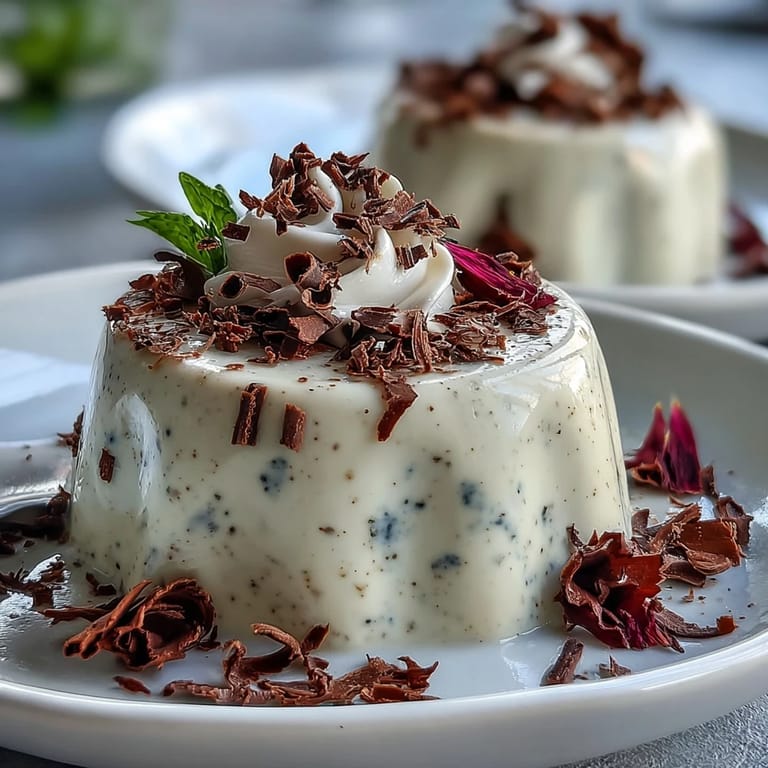
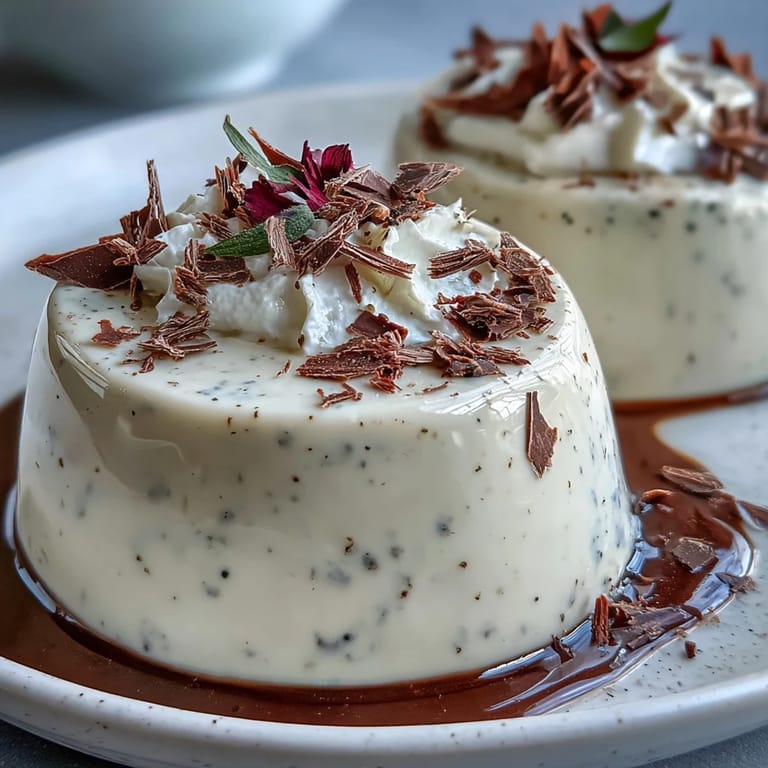
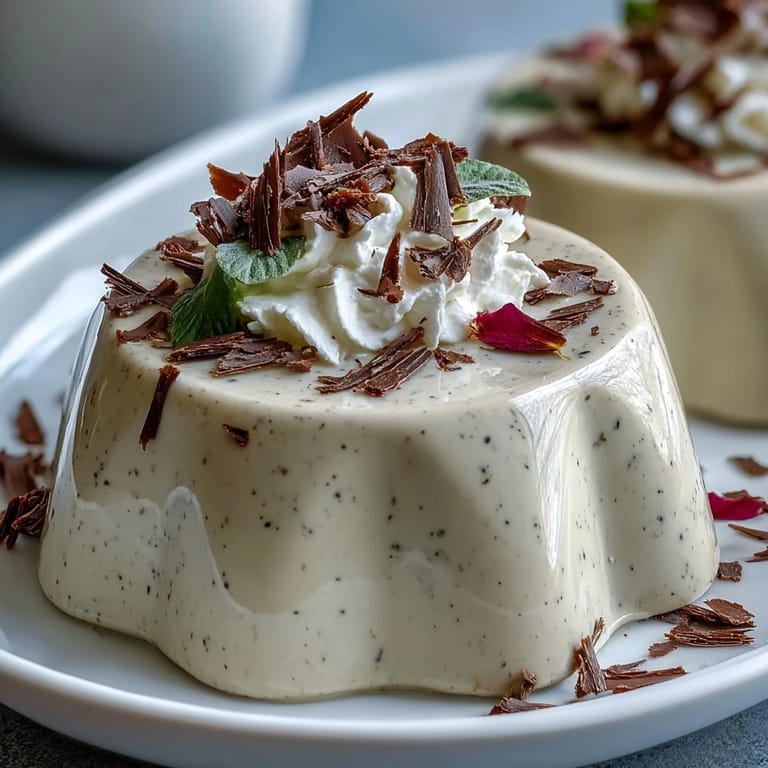
- Optional garnishes (whipped cream, shaved chocolate, edible flowers): These transform your dessert from elegant to genuinely stunning, so consider them more than optional.
Tired of Takeout? 🥡
Get 10 meals you can make faster than delivery arrives. Seriously.
One email. No spam. Unsubscribe anytime.
Instructions
- Bloom your gelatin:
- Sprinkle the gelatin over cold water in a small bowl and let it sit for exactly 5 minutes, watching as it absorbs the water and becomes spongey. This step is non-negotiable because it ensures the gelatin dissolves smoothly later instead of creating lumps.
- Heat the dairy base:
- Pour cream, milk, and sugar into a saucepan and warm it gently over medium-low heat until it just barely steams and tiny bubbles form around the edges. Don't walk away during this moment—you want to catch it right before boiling, not after.
- Infuse with hojicha:
- Remove from heat, add your hojicha tea, and let it steep for 7 to 8 minutes while you lean in and smell the transformation happening. You'll notice the mixture shifting from pure cream-colored to a warm, toasted amber that hints at what's coming.
- Strain with intention:
- Pour the mixture slowly through a fine-mesh sieve into a clean bowl, using the back of a spoon to gently press the tea leaves and extract every last drop of flavor. This gentle pressing matters more than aggressive squeezing, which can release bitter compounds.
- Reheat and incorporate gelatin:
- Return your strained cream to the saucepan and warm it again until it's hot but not boiling, then add your bloomed gelatin. Whisk continuously for about a minute until every trace of the gelatin disappears and the mixture feels completely smooth.
- Pour and cool:
- Divide the mixture among four ramekins or serving glasses, then let them sit at room temperature for about 20 minutes to cool slightly. This prevents the bottom from setting too quickly while the top is still warm.
- Chill and set:
- Cover with plastic wrap and refrigerate for at least 4 hours, though overnight is even better if you have the patience. The waiting is hard, but peeking at them wobbling gently when you open the fridge is half the fun.
- Serve with style:
- Run a thin knife around the edges to unmold onto plates for that restaurant presentation, or serve directly in the glasses for a more casual elegance. Either way, taste it at the moment it reaches the table, when the temperature is perfect.
 Save
Save There's something almost meditative about watching hojicha panna cotta set in the refrigerator, knowing that something elegant is quietly happening behind that plastic wrap without any effort from you. When my partner pulled one from the fridge and tasted it during our dinner that autumn night, she closed her eyes and said it tasted like autumn itself, which became the highest compliment this dish could possibly receive.
The Magic of Hojicha
Hojicha is roasted green tea, which means it's been heated until it transforms from grassy to deeply complex, almost nutty, with whispers of caramel and earth. Most people have never experienced hojicha before trying this dessert, and that's what makes serving it so satisfying. The roasting process mellows out the caffeine and bitterness, leaving something gentler than regular green tea but infinitely more interesting than basic vanilla. When you steep it in warm cream, those roasted notes bloom like they've been waiting for exactly this medium their whole existence.
Making It Your Own
Once you master the basic technique, the variations practically write themselves. I've made versions with a tiny pinch of sea salt swirled through (which makes the hojicha taste even more complex), and another time I added a whisper of cardamom that shouldn't have worked but somehow did. The beauty of panna cotta is its flexibility—the structure stays the same while your imagination handles everything else. What matters most is respecting the ratios and understanding that panna cotta is fundamentally about texture and subtlety, not overwhelming flavors.
Serving and Pairing
This dessert deserves to be served cold and presented with intention, whether that means careful unmolding onto a plate or serving it directly in the glass with a spoon. The optional garnishes really do matter—whipped cream on top creates a beautiful contrast, while roasted nuts add texture and a subtle bitterness that plays beautifully with the hojicha. If you're feeling ambitious, pair it with cold-brewed hojicha for a cohesive ending to your meal, or go the other direction with a crisp Japanese white wine that cuts through the richness.
- Let the panna cotta sit at room temperature for just 5 minutes before serving if you find the refrigerator chill makes the flavors taste muted.
- Make these the day before your dinner party so you're genuinely stress-free when your guests arrive.
- If unmolding feels intimidating, there's absolutely no shame in serving them straight from the glass—elegance is about the taste anyway.
 Save
Save This panna cotta has become my secret weapon for last-minute dinner parties and the dessert I make when I want to impress someone without spending hours in the kitchen. It sits in your refrigerator like edible jewelry, waiting patiently to remind everyone why sometimes the most elegant foods are built on the simplest foundations.
Recipe FAQs
- → What does hojicha taste like?
Hojicha has a distinctive roasted, nutty flavor with subtle earthy notes and low caffeine. Unlike matcha or sencha, it's roasted over charcoal, giving it warm toasty undertones that pair beautifully with creamy dairy desserts.
- → Can I make this vegan?
Absolutely. Substitute the heavy cream and whole milk with full-fat coconut cream and coconut milk. Replace gelatin with agar-agar powder, using about 1 teaspoon dissolved in the liquid. The texture will be slightly firmer but equally delicious.
- → How long does this keep in the refrigerator?
This sets beautifully and keeps for up to 3 days when covered properly. The flavors actually develop and intensify overnight, making it an excellent make-ahead dessert for entertaining. Avoid freezing as it alters the silky texture.
- → What garnishes work best?
Light garnishes complement the delicate flavors perfectly. Try lightly sweetened whipped cream, white chocolate shavings, roasted chopped nuts like hazelnuts, or edible flowers for color. A drizzle of hojicha syrup also adds depth.
- → Why strain the mixture twice?
Straining removes tea leaves for a smooth texture and eliminates any undissolved gelatin clumps. This extra step ensures the final custard is perfectly silky and professional-looking, free from any grainy bits or leaf particles.