 Save
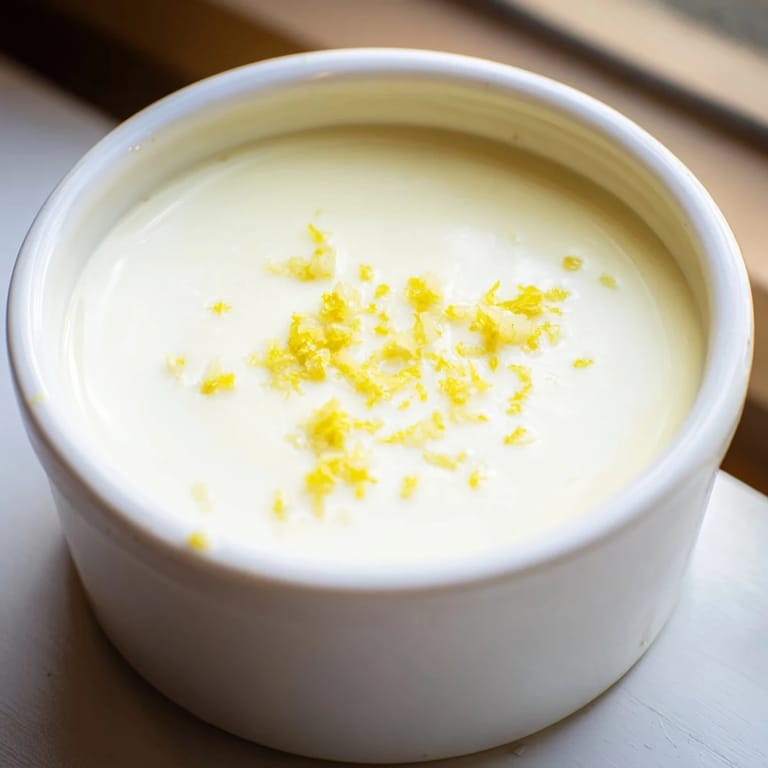
Save I discovered lemon posset on a rainy afternoon in London, sitting in a tiny café where the dessert menu seemed impossibly elegant for something so simple. Three ingredients—that's all it took to create something silky, tart, and utterly unforgettable. The moment I tasted that first spoonful, I understood why this British classic has survived centuries without needing improvement. Now it's become my go-to when I want to impress without fussing.
I made this for a dinner party where someone brought store-bought dessert—I didn't judge, but halfway through the meal I slipped into the kitchen and threw this together anyway. By the time we finished mains, those little ramekins had chilled just enough to serve, and watching everyone's faces when they realized how few ingredients went into something so luxurious was worth every second. That's when it became my secret weapon.
Ingredients
- Heavy cream (2 cups): This is your base, so use the richest cream you can find—it should be at least 35% fat to set properly and taste velvety.
- Granulated sugar (2/3 cup): Don't skimp here; this dissolves into the cream and sweetens it to balance the lemon's sharpness.
- Fresh lemon juice (1/4 cup): Squeeze your own lemons right before making this; bottled juice won't give you that bright, living taste that makes posset special.
Tired of Takeout? 🥡
Get 10 meals you can make faster than delivery arrives. Seriously.
One email. No spam. Unsubscribe anytime.
Instructions
- Heat the cream and sugar together:
- Pour the cream and sugar into a medium saucepan and set the heat to medium-low. You're listening for a gentle simmer, not a rolling boil—if it boils, the cream can curdle and you'll have to start over. Stir occasionally so the sugar dissolves evenly, which takes about three to five minutes.
- Add the lemon juice off heat:
- Once the cream just begins to simmer, remove it from heat and stir in the lemon juice slowly. It will thicken slightly as the acid works its magic on the cream, which is exactly what you want.
- Cool it slightly:
- Wait about five minutes before pouring so you're not working with something too hot, but while it's still warm enough to pour smoothly into your serving vessels.
- Pour into ramekins:
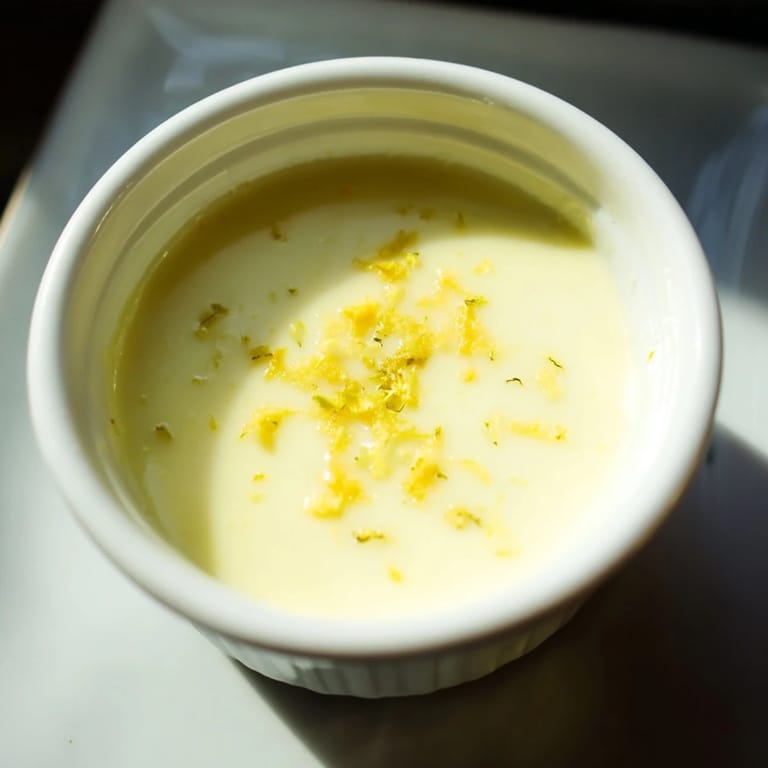
- Divide the mixture evenly among four small ramekins or glasses—I like using vintage coupes because they catch the light beautifully, but any small dish works.
- Chill until set:
- Cover loosely and refrigerate for at least three hours, though I often make this the night before and let it set completely. The texture will be silky and just-set, never stiff or gelatinous.
 Save
Save My grandmother once told me that posset was what people made when they wanted to feel fancy but didn't have hours to spend in the kitchen. Watching her make it, I realized she was teaching me that elegance isn't always about complexity—sometimes it's about knowing exactly which three things to combine and trusting them to do their work.
Why Three Ingredients Works
There's a kind of British cooking philosophy that says if something doesn't need more ingredients, don't add them. The cream carries the sugar and becomes the canvas; the lemon juice is the stroke that brings everything into focus. Nothing competes, nothing gets lost—each element has a clear job. Once I stopped thinking this was too simple to be good and started respecting the restraint, posset became my most-requested dessert.
Serving and Pairing Ideas
Posset is wonderfully plain on its own, but it welcomes gentle accompaniments. A crisp shortbread, an almond biscuit, or even just a thin cookie alongside makes it feel like afternoon tea at a proper café. Fresh berries work too—raspberries especially look beautiful and taste bright against the creamy tartness. I've even served it with a thin slice of lemon curd cake on the side, though honestly, it doesn't need anything.
Variations and Twists
Once you understand how this works, the door opens to experiments. Lime posset is sharper and more tropical; blood orange posset is sophisticated and deep; even a mild bergamot lemon makes it taste like afternoon tea. Some people add a whisper of vanilla or a hint of honey, though I find these often cloud the clarity of what makes posset so special. My advice: master the lemon version first, then play.
- Try a thin layer of lemon curd on top before serving for extra tartness and elegance.
- A tiny pinch of sea salt stirred in right at the end deepens the lemon flavor mysteriously.
- If you're nervous about the acidity, add the lemon juice a little at a time and taste as you go.
 Save
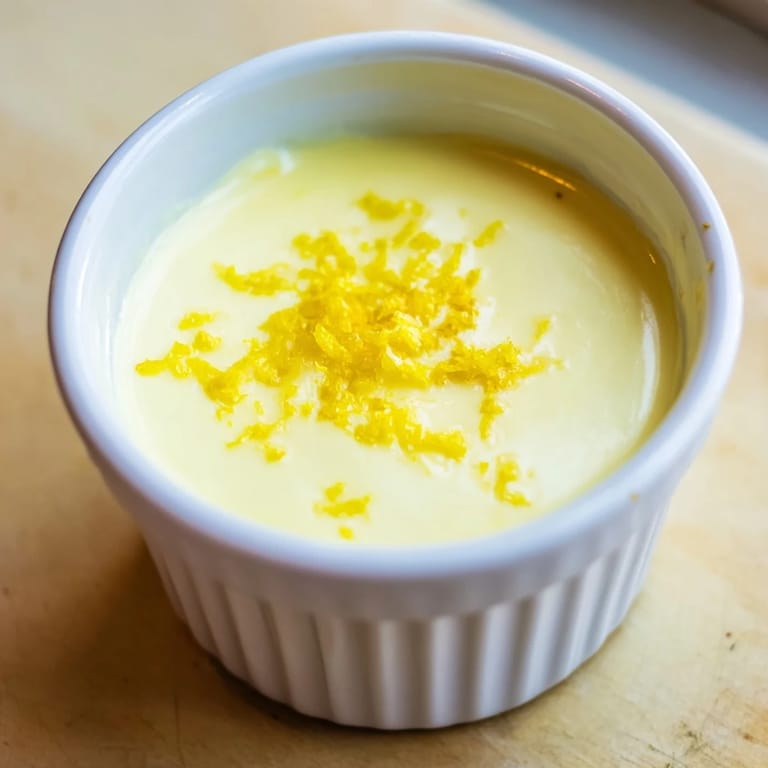
Save Lemon posset taught me that sometimes the most memorable moments in cooking come from knowing when to stop, not when to keep going. It's become my reminder that doing one thing beautifully beats doing ten things adequately.
Recipe FAQs
- → What makes lemon posset smooth and creamy?
The cream is gently heated with sugar until it simmers, then cooled with lemon juice, which helps create a silky, set texture without needing eggs or gelatin.
- → Can I substitute the lemon juice in this dessert?
Yes, lime or orange juice can be used for a different citrus flavor while maintaining the creamy set.
- → How long should the mixture chill?
It needs at least three hours in the fridge to fully set and develop its characteristic silky consistency.
- → What are good garnish options for this dessert?
Fresh lemon zest, berries, or a sprinkle of finely grated citrus zest add vibrant color and enhance the flavor profile.
- → Is this dessert suitable for special diets?
Yes, it naturally fits vegetarian and gluten-free diets, relying on a few simple ingredients without gluten-containing elements.