 Save
Save I became completely enchanted with matcha during a rainy Sunday afternoon workshop at a tiny tea shop tucked away in my city's Japanese district. The tea master showed us how to whisk the vibrant green powder into that characteristic froth, explaining that we weren't just making a drink but participating in a centuries-old ritual. Back home, I found myself craving that earthy, slightly sweet flavor and the gentle alertness it brought, so different from my usual coffee buzz.
Last winter when my sister visited during a particularly stressful work period, I made us matcha lattes one snowy morning instead of our usual coffee. We sat quietly by the window, watching snowflakes swirl while sipping from oversized mugs, and she mentioned how the simple act had somehow reset her entire mood. Sometimes the smallest rituals create the most necessary pauses in our lives.
Ingredients
- Matcha green tea powder: Look for ceremonial or latte-grade matcha with a vibrant green color, not the dull olive stuff that tastes like bitter grass clippings.
- Hot water: The temperature matters tremendously here, as boiling water will scorch the delicate tea leaves and create bitterness.
- Milk: I cycle between whole milk, oat milk, and occasionally coconut milk depending on my mood, each bringing its own character to the latte.
- Sweetener: A touch of honey complements matcha beautifully, though maple syrup creates an interesting depth for fall mornings.
Tired of Takeout? 🥡
Get 10 meals you can make faster than delivery arrives. Seriously.
One email. No spam. Unsubscribe anytime.
Instructions
- Prepare the matcha base:
- Sift your matcha powder through a fine mesh sieve into a wide mug or small bowl, watching the fine powder float down like green snow. Whisk vigorously in a W or M motion until no lumps remain and you see a light froth forming.
- Warm your milk:
- Heat your milk until steaming but not boiling, around the temperature where tiny bubbles form around the edge of the pan. If you have a frother, now is the time to create that beautiful microfoam that makes lattes so luxurious.
- Combine with care:
- Pour your matcha mixture into two mugs and stir in your sweetener if using. Hold back the foam with a spoon while pouring in the warm milk, then crown each mug with the reserved foam.
- Garnish and serve:
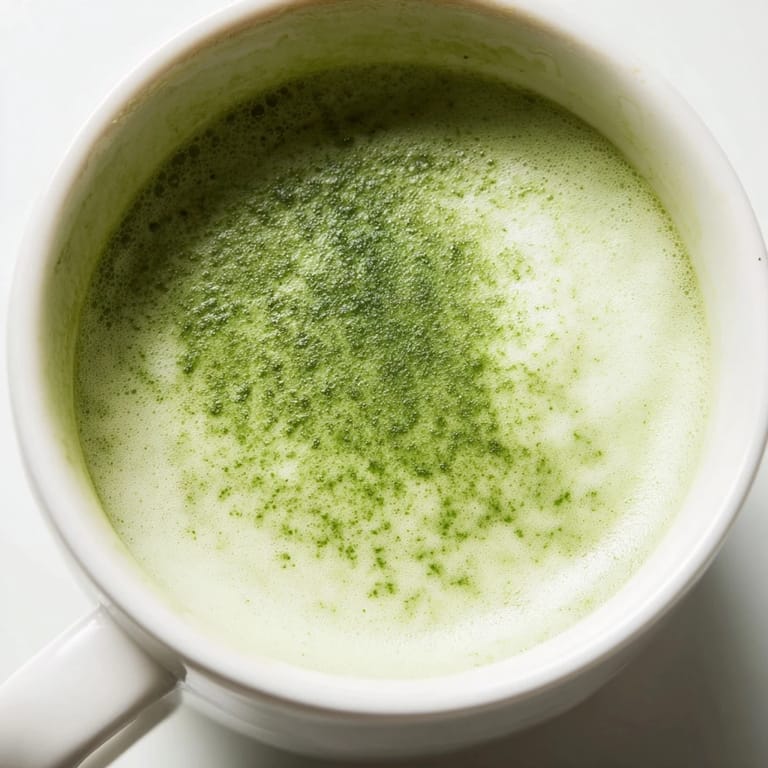
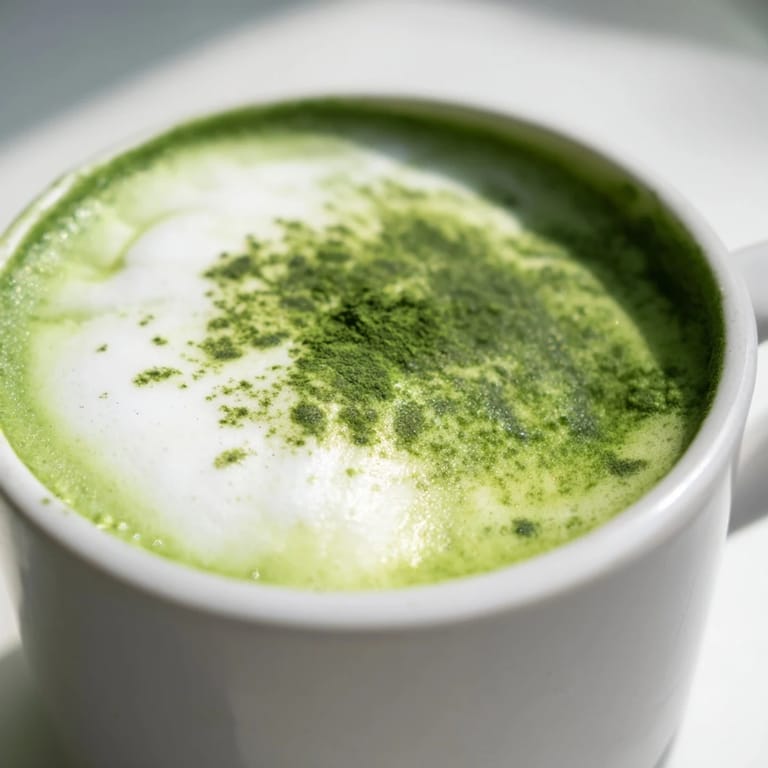
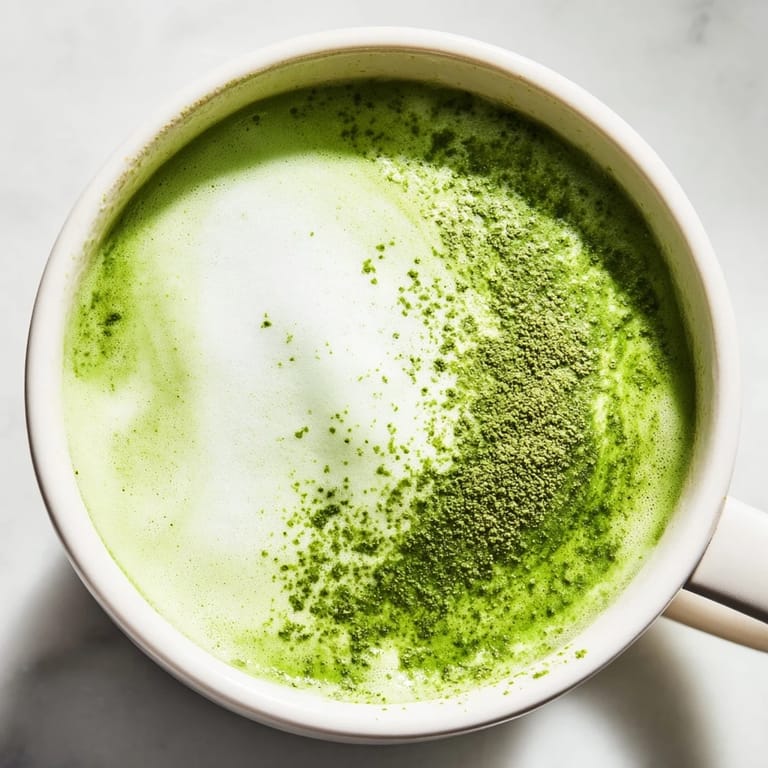
- For a picture-perfect finish, dust the tiniest amount of matcha across the top of the foam. Serve immediately while the contrast between warm milk and frothy top is at its peak.
 Save
Save On particularly hectic mornings when my thoughts are scattered in a dozen different directions, the simple act of whisking matcha brings me back to center. There's something about the ritual, the transformation of powder to froth, that forces presence. My husband now recognizes the sound of the whisk against ceramic as my quiet signal that I need a moment of peace before tackling the day.
Choosing Quality Matcha
After experimenting with various grades of matcha, I've learned that color truly tells the story. Premium matcha should be vibrantly green, never dull or brownish. The first time I splurged on ceremonial grade, the difference was immediately apparent in both aroma and taste, with none of the bitterness I'd come to tolerate from lower-quality options. While it's perfectly fine to use culinary grade for baking, when the matcha is the star of your beverage, the investment in quality makes all the difference.
Seasonal Variations
In summer months when the thought of hot anything makes me wilt, I've adapted this recipe into a refreshing iced version. Simply prepare the matcha base as usual, but pour over ice and cold milk instead. Sometimes I'll blend it with frozen banana chunks and a splash of vanilla for a matcha smoothie that powers me through hot afternoons. Winter calls for warming spices, so occasionally I'll infuse the milk with a cinnamon stick or star anise while heating.
Making It Your Own
What I love most about matcha lattes is how they become personal over time as you adjust each element to your preference. The ratio of matcha to milk, the sweetness level, even the temperature at which you enjoy it becomes your signature version that no coffee shop can quite replicate.
- For a richer experience, try whisking in a quarter teaspoon of vanilla extract to the matcha base before adding milk.
- If you prefer a more dessert-like treat, a drizzle of condensed milk instead of regular sweetener creates a decadent variation.
- Keep your matcha powder in the refrigerator after opening to preserve its vibrant color and delicate flavor profile.
 Save
Save This humble green beverage has somehow become more than just a morning drink in my home, but a small moment of intentional living. Whether you're new to matcha or a longtime enthusiast, I hope this recipe brings a moment of calm to your day.
Recipe FAQs
- → What type of milk works best for a matcha latte?
Both dairy and plant-based milks work wonderfully. Whole milk creates the creamiest texture, while oat milk provides a naturally sweet flavor. Almond and soy milk are excellent alternatives that froth well and complement matcha's earthy notes.
- → How do I prevent lumps in my matcha latte?
Always sift the matcha powder through a fine mesh sieve before whisking. This breaks up clumps and ensures smooth dissolution. Whisk briskly in a zigzag motion with hot (not boiling) water until completely frothy and lump-free.
- → Can I make this matcha latte iced instead of hot?
Absolutely! Prepare the matcha mixture as directed, then pour over ice-filled glasses. Add cold milk instead of steamed milk, and stir well. For extra froth, shake the cold milk in a sealed jar before pouring over the iced matcha.
- → What temperature should the water be for whisking matcha?
Use water heated to approximately 80°C or 175°F. Boiling water can make matcha taste bitter and destroy some beneficial compounds. Let boiled water cool for a few minutes before whisking with the matcha powder.
- → How can I adjust the matcha flavor intensity?
Start with 2 teaspoons of matcha powder for a balanced flavor. For a stronger, more robust taste, increase to 3 teaspoons. For a milder, gentler flavor, reduce to 1-1.5 teaspoons. Adjust based on your personal preference.
- → Do I need a special whisk for making matcha lattes?
While a traditional bamboo matcha whisk (chasen) creates the best froth and texture, a small regular whisk or even a milk frother works well. The key is whisking vigorously to fully dissolve the powder and create a smooth, frothy consistency.