 Save
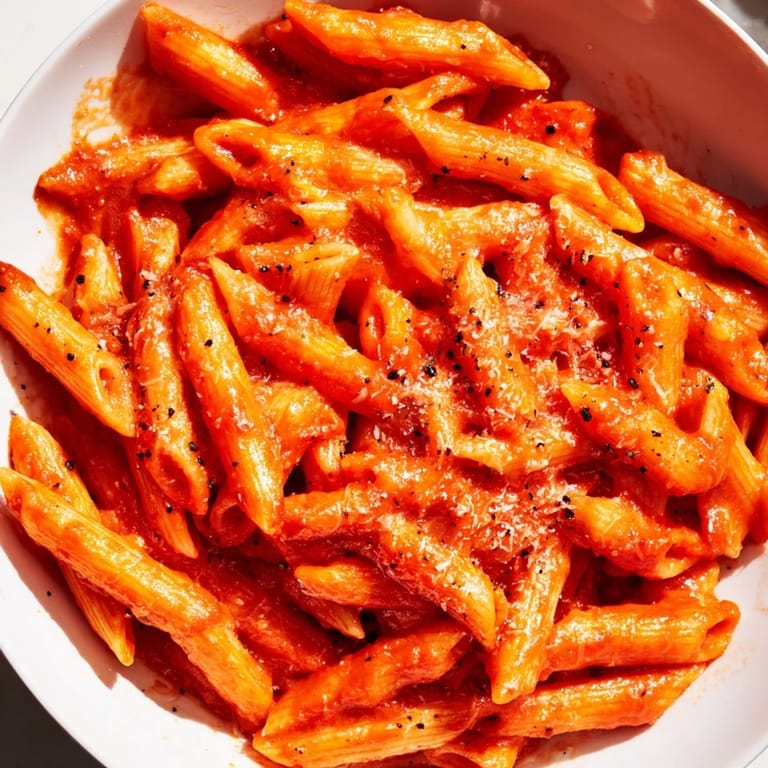
Save I discovered microwave bowl pasta during my first year of grad school when my apartment kitchen was the size of a postage stamp. The revelation hit me one evening when my stovetop refused to work and hunger was setting in fast. Rummaging through my cabinets with determination, I found a box of penne, a microwave-safe bowl, and decided to experiment. What began as desperation has since become my go-to method on those days when washing another pot feels like climbing Everest.
Last summer during a power outage, I became the hero of my building when I taught my neighbors this technique using our buildings emergency generator. We gathered in the community room with our bowls and pasta boxes, laughing as we took turns using the single functioning microwave. Someone brought wine, another person found candles, and suddenly our predicament transformed into an impromptu pasta party that lasted until the lights came back on.
Ingredients
- 85g dried pasta: Shorter shapes like penne or fusilli work magnificently because they tumble around in the water more evenly than long noodles which tend to stick together in the confined space.
- 375ml water: The amount seems excessive at first, but trust me, this perfect ratio ensures the pasta cooks evenly without requiring constant attention.
- Salt: Even in this quick method, properly seasoning the cooking water makes all the difference between bland and beautiful pasta.
- Olive oil or butter: A small addition after cooking prevents the pasta from sticking together while adding a silky finish that helps sauce cling better.
Tired of Takeout? 🥡
Get 10 meals you can make faster than delivery arrives. Seriously.
One email. No spam. Unsubscribe anytime.
Instructions
- Choose your vessel wisely:
- Select a microwave-safe bowl at least twice the size of your dry pasta volume. The pasta will bubble enthusiastically, and nothing ruins a quick meal like a microwave cleanup.
- Create your pasta bath:
- Add your pasta, water, and salt to the bowl and give everything a good stir to ensure nothing sticks together from the start.
- Begin the cooking cycle:
- Microwave uncovered on high for the initial 4 minutes, which kickstarts the cooking process. The water should begin to bubble vigorously.
- Check and continue:
- Stir the pasta thoroughly, then return to the microwave for 2-minute intervals. This prevents uneven cooking and helps you monitor the doneness without risking overcooked mush.
- Final touches:
- Once the pasta is tender with just a slight bite, drain any remaining water if necessary. Immediately add your oil or butter while the pasta is hot.
- Make it a meal:
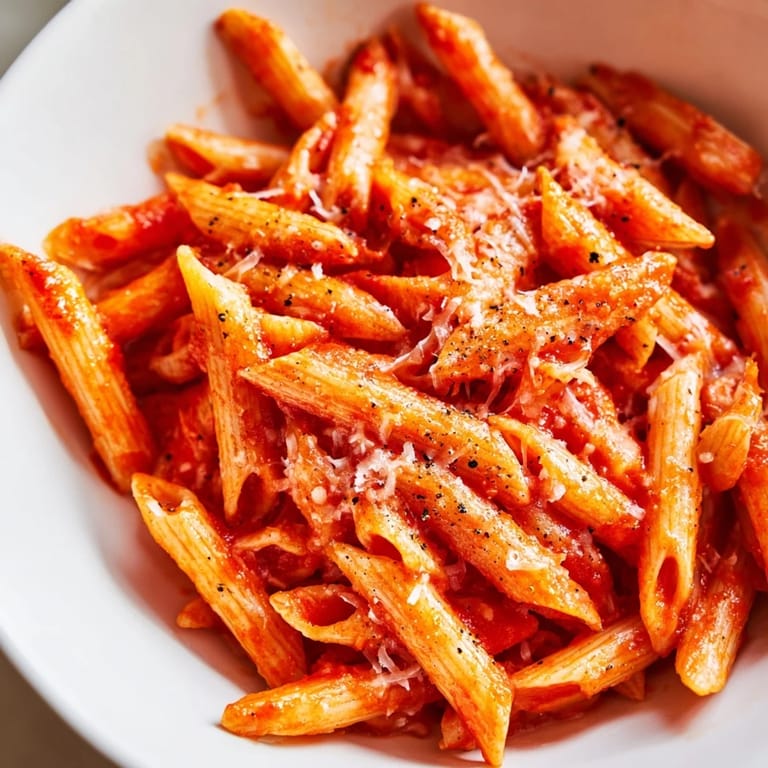
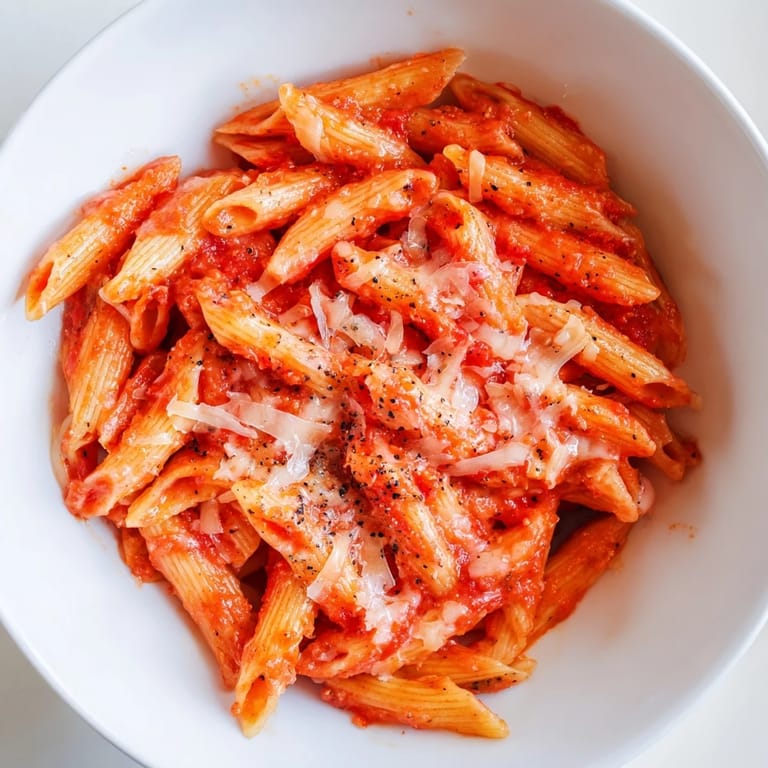
- Stir in your cheese, sauce, or other additions while everything is still warm. The residual heat will help meld all the flavors together.
 Save
Save One particularly chaotic Tuesday, I was juggling a video call while making this pasta in my office microwave. My colleagues watched in amused disbelief as I casually produced a complete lunch during our meeting. By the end of the call, three people had taken screenshots of my process and one had already tried it during our call, his camera showing his triumphant bowl of fusilli. Sometimes the simplest cooking tricks create the strongest connections.
Customization Ideas
Through countless microwave pasta experiments, Ive found this method works beautifully as a canvas for creativity. When I have leftover roasted vegetables, I chop them finely and toss them in during the last minute of cooking. Frozen peas or corn can go straight in without thawing. Even a handful of baby spinach wilted in at the end transforms this from a side dish to a complete meal with minimal extra effort.
Troubleshooting Common Issues
After making this nearly a hundred times, Ive encountered every possible mishap. If your pasta turns out too firm, the bowl was likely too small, causing uneven heat distribution. If its too soft, your microwave might run hotter than average, so reduce the total cooking time by a minute next round. And if the water boils over, you simply need a larger bowl, as the pasta needs room to move and expand while cooking.
Storage and Reheating
While this recipe is designed for immediate enjoyment, sometimes plans change. If you need to store leftovers, a splash of olive oil before refrigeration keeps things from becoming one solid pasta block. When reheating, adding a tablespoon of water before microwaving for 60-90 seconds restores much of the original texture.
- Store cooled pasta in an airtight container in the refrigerator for up to 3 days.
- For best texture when reheating, sprinkle a few drops of water over the pasta before microwaving.
- Consider making a double batch and refrigerating half before adding sauce for quick meals later in the week.
 Save
Save This humble microwave method has saved me countless times, from late-night study sessions to unexpected dinner guests. Its proof that good cooking isnt always about fancy equipment or techniques, but about finding clever solutions that work for your real life.
Recipe FAQs
- → What types of pasta work best in the microwave?
Penne, fusilli, and elbow macaroni work best because their shapes allow even cooking and water absorption. Avoid long pasta like spaghetti as it may not cook uniformly in a bowl.
- → Why does the pasta need to be stirred during cooking?
Stirring ensures even cooking and prevents the pasta from sticking together. It also helps redistribute the water so all pieces cook at the same rate and achieve proper al dente texture.
- → Can I cook more than one serving at a time?
Yes, but use a larger bowl and increase water proportionally. Add 2-3 minutes to the total cooking time and stir more frequently to ensure even cooking throughout.
- → How do I prevent the water from boiling over?
Use a large bowl where pasta fills no more than half the space. This allows room for water to bubble without overflowing. You can also use a lower power setting if your microwave runs hot.
- → Can I add sauce directly to the microwave while cooking?
It's best to add sauce after cooking. Tomato-based and oil-based sauces can splatter or separate when microwaved with pasta. Cook the pasta first, then stir in your desired sauce.
- → Does gluten-free pasta work with this method?
Yes, gluten-free pasta can be cooked this way, though cooking times may vary. Check for doneness more frequently as some gluten-free varieties cook faster or require more water to prevent sticking.