 Save
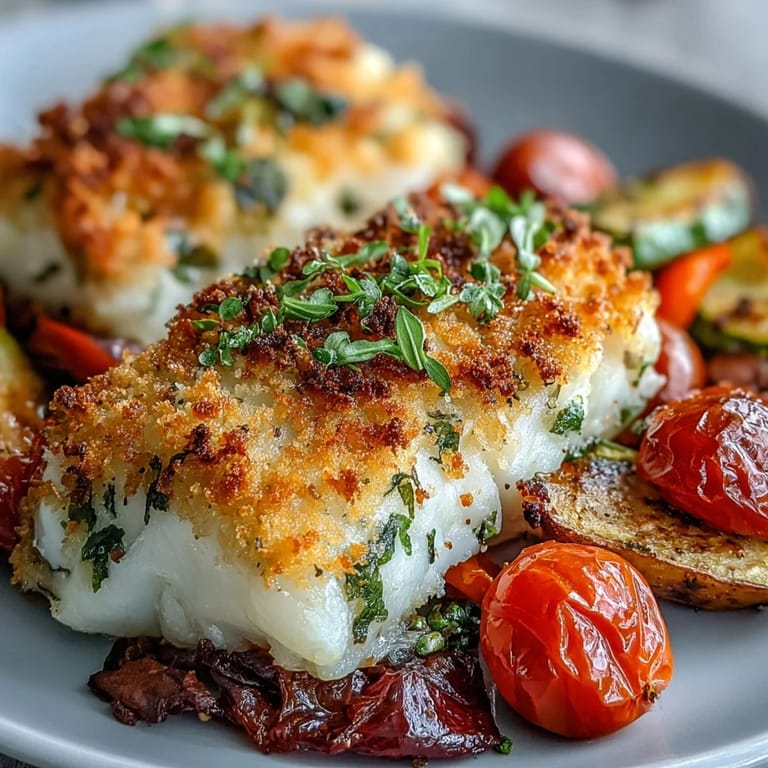
Save There's something about the sound of a sheet pan hitting the oven that makes weeknight cooking feel less like a chore and more like a small victory. My sister called one Tuesday asking what I was making for dinner, and when I told her about this Parmesan-crusted cod situation I'd thrown together, she invited herself over within the hour. The kitchen filled with this golden, garlicky aroma that had nothing to do with how simple the actual process was, and suddenly we were eating restaurant-quality food while standing at the counter in our regular clothes.
I made this for my mom's book club when it was my turn to host, and honestly, I was nervous about serving fish to a group I barely knew. But watching people actually go back for seconds, asking questions about the cheese coating, asking for the recipe—that's when I realized this dish had somehow become something I make with confidence now.
Ingredients
- Cod fillets (4, about 150 g each), skinless and boneless: Cod is mild and flakes beautifully, but haddock and tilapia work just as well if you prefer something different or if your fishmonger doesn't have fresh cod that day.
- Panko breadcrumbs (1/2 cup): These stay crunchier than regular breadcrumbs and create that satisfying texture contrast; if you need gluten-free, crushed cornflakes do the job surprisingly well.
- Parmesan cheese (1/3 cup, grated): Buy a chunk and grate it yourself if possible—pre-grated cheese sometimes has additives that affect how it browns.
- Asiago cheese (1/3 cup, grated): The slightly nuttier cousin to Parmesan, it adds depth without being overwhelming; don't skip it, as it's what makes this crust special.
- Fresh parsley (2 tablespoons, chopped): This brightens everything, so use fresh rather than dried, and chop it just before mixing.
- Garlic powder (1/2 teaspoon): Works better than fresh garlic here because it distributes evenly in the coating without burning.
- Paprika (1/2 teaspoon): Adds color and a whisper of sweetness that nobody quite names but everyone notices.
- Black pepper and salt (1/4 teaspoon each): Season gently here since the cheeses bring their own saltiness.
- Olive oil (3 tablespoons total, divided): Two tablespoons go into the coating to make it crumbly and bindable, one tablespoon tosses with the vegetables; use a decent one you actually like.
- Bell peppers (1 red, 1 yellow, sliced): The colors matter visually, but more importantly, they caramelize differently and give you sweet, tender pieces alongside slightly charred edges.
- Zucchini (1 medium, sliced into half-moons): Half-moons cook faster and more evenly than rounds, and they somehow feel less watery this way.
- Red onion (1 small, cut into wedges): Red onion stays slightly firm and develops a natural sweetness when roasted, balancing the richness of the fish.
- Cherry tomatoes (200 g, halved): Halving them lets the heat reach the insides and concentrate their flavor instead of letting them just burst.
- Dried oregano (1/2 teaspoon): One of those quiet herbs that makes roasted vegetables taste intentional rather than accidental.
Tired of Takeout? 🥡
Get 10 meals you can make faster than delivery arrives. Seriously.
One email. No spam. Unsubscribe anytime.
Instructions
- Heat your oven and prep the pan:
- Get your oven to 220°C (425°F) and line a large sheet pan with parchment paper or give it a light oiling. This temperature is hot enough to crisp that coating while cooking the fish gently underneath.
- Build your cheese crust mixture:
- In a bowl, combine panko, both cheeses, parsley, garlic powder, paprika, pepper, and salt. Drizzle in the 2 tablespoons of olive oil and mix with your fingers until it looks crumbly and slightly damp—this texture is what makes it stick to the fish instead of sliding off in the oven.
- Prepare the cod fillets:
- Pat your cod fillets completely dry with paper towels; moisture is the enemy of a good crust here. Arrange them on one side of the sheet pan and brush their tops very lightly with olive oil.
- Apply the crispy coating:
- Take your cheese-panko mixture and press it firmly onto the top of each fillet, using about a quarter of the mixture per piece. The pressure helps it adhere, so don't be shy about pressing gently but deliberately.
- Toss and arrange the vegetables:
- In a large bowl, combine your sliced peppers, zucchini, onion wedges, and halved tomatoes with 1 tablespoon olive oil, oregano, salt, and pepper. Toss everything until the vegetables are evenly coated, then spread them on the other side of the sheet pan in a single layer.
- Roast everything together:
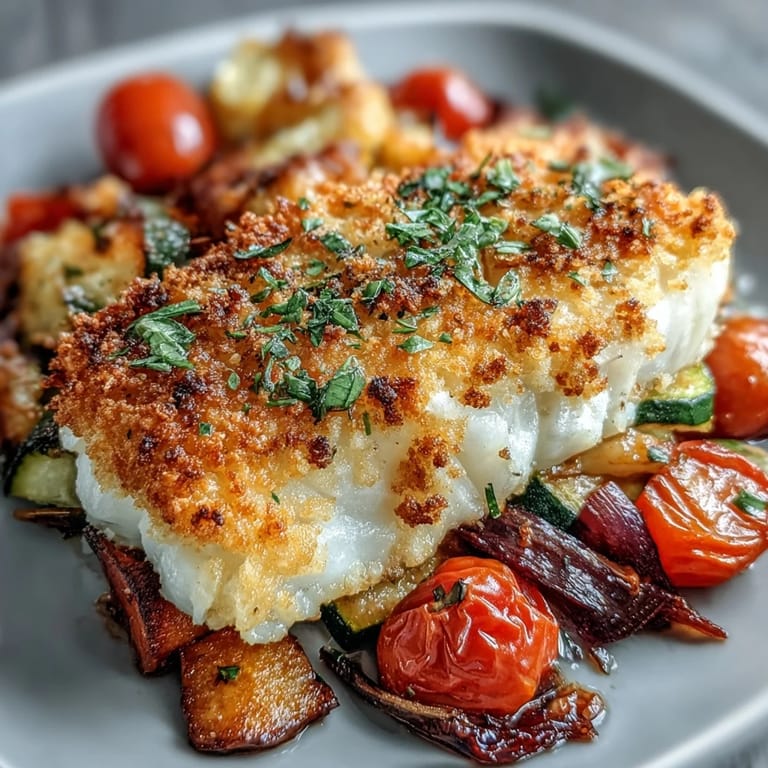
- Slide the pan into the oven and roast for 20–25 minutes, checking around the 20-minute mark. The fish should be golden on top and flake easily with a fork, while the vegetables should be tender with some caramelized edges.
- Serve with intention:
- Remove the pan from the oven and let it cool for just a minute so nothing slides around. Serve immediately while everything is still warm, and if you have fresh lemon or extra parsley on hand, those final touches make it feel special.
 Save
Save My partner took one bite and said it tasted like we'd ordered takeout, then immediately asked when I was making it again. That's the moment I realized this dish had quietly become one of those recipes that makes people feel cared for without requiring you to spend your entire evening in the kitchen.
Why This Works as a One-Pan Dinner
Sheet pan meals have this underrated magic where the fish releases just enough moisture to season the vegetables below it, and everything roasts at the same temperature so nothing gets overcooked while waiting for something else to finish. The vegetables stay on one side and the fish on the other, so there's no flavor mixing unless you want it, and the breadcrumb coating acts as both texture and protection, keeping the inside of the fish from drying out even if you accidentally leave it in for an extra minute.
The Cheese Coating Strategy
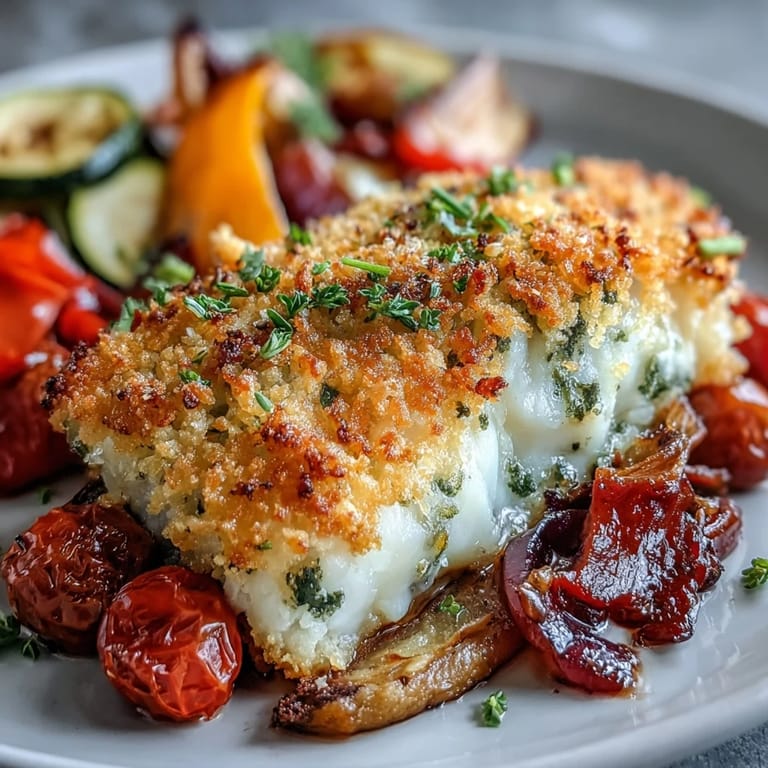
Using two cheeses instead of one keeps the crust interesting—Parmesan brings salt and sharpness, while Asiago adds this subtle nuttiness that makes people pause and say something tastes different in a good way. The panko is what keeps everything light and crispy rather than dense and heavy, and the olive oil mixed into the coating is crucial because it's what makes the mixture stick and brown properly instead of just sitting there like breadcrumbs that gave up.
Timing and Temperature Matters
That 425°F oven temperature is the sweet spot where the coating gets golden and crispy in exactly the time it takes the fish to cook through, and the vegetables start caramelizing without becoming mushy or dried out. I've tried lower temperatures thinking I'd be gentler to the fish, but that just extends the cooking time and makes everything feel rushed and uneven. Higher temperatures risk burning the coating before the fish is done, so 425°F really is the Goldilocks moment.
- Check the fish at 20 minutes by flaking the thickest fillet with a fork to see if it's actually cooked through.
- If your vegetables start browning too much before the fish is done, slide a piece of foil over just the vegetable side temporarily.
- Let the pan rest for one minute after it comes out so everything sets slightly and you can serve without things sliding everywhere.
 Save
Save This is the kind of recipe that proves you don't need hours or complicated techniques to feed people something that tastes like you actually care. Make it once and it becomes part of your regular rotation, the one you reach for when you want to impress someone without actually sweating in the kitchen.
Recipe FAQs
- → What fish works best for this preparation?
Cod is ideal due to its mild flavor and firm texture, but haddock, tilapia, or halibut work equally well. Choose fillets of similar thickness for even cooking.
- → Can I make this gluten-free?
Yes, substitute regular panko with gluten-free breadcrumbs or crushed cornflakes. The coating still crisps beautifully while accommodating dietary needs.
- → How do I know when the fish is done?
The fish is ready when it flakes easily with a fork and the crust turns golden brown. The internal temperature should reach 145°F (63°C).
- → What vegetables can I substitute?
Try broccoli florets, asparagus, green beans, or eggplant. Adjust cooking times accordingly—denser vegetables may need a few extra minutes.
- → Can I prepare the coating ahead?
Mix the cheese-panko blend up to a day in advance and store in an airtight container. Keep it refrigerated until ready to use.
- → What should I serve alongside this?
A simple green salad with vinaigrette complements nicely. Crusty bread soaks up flavorful juices, or serve over quinoa for extra protein.