 Save
Save There's something almost meditative about building a grain bowl—watching the colors stack up, knowing you're getting exactly what you need without any fuss. I stumbled onto this formula one Tuesday when I had half a container of quinoa, some roasted chickpeas, and an overflowing veggie drawer that needed rescuing. What could have been a sad desk lunch turned into something I actually looked forward to eating, and suddenly I was making four of them at a time for the week ahead.
I made these for a potluck where I wasn't sure what anyone ate, and watching people build their own bowls from a spread of components felt like watching them solve a delicious puzzle. The quiet confidence of someone finding their perfect combination—carrots and no avocado, extra seeds, extra garlic dressing—reminded me that the best food is the kind people actually want to eat.
Ingredients
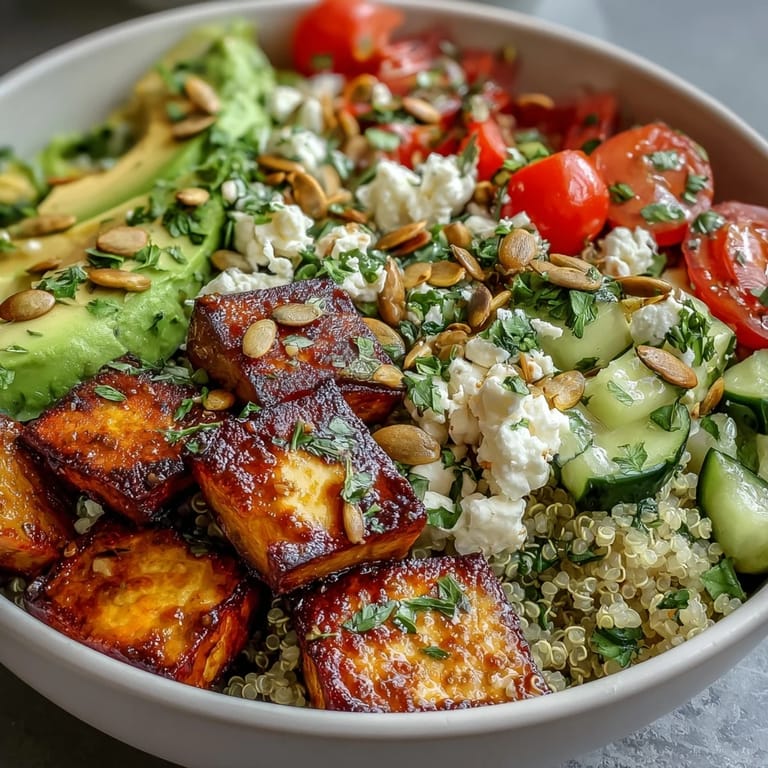
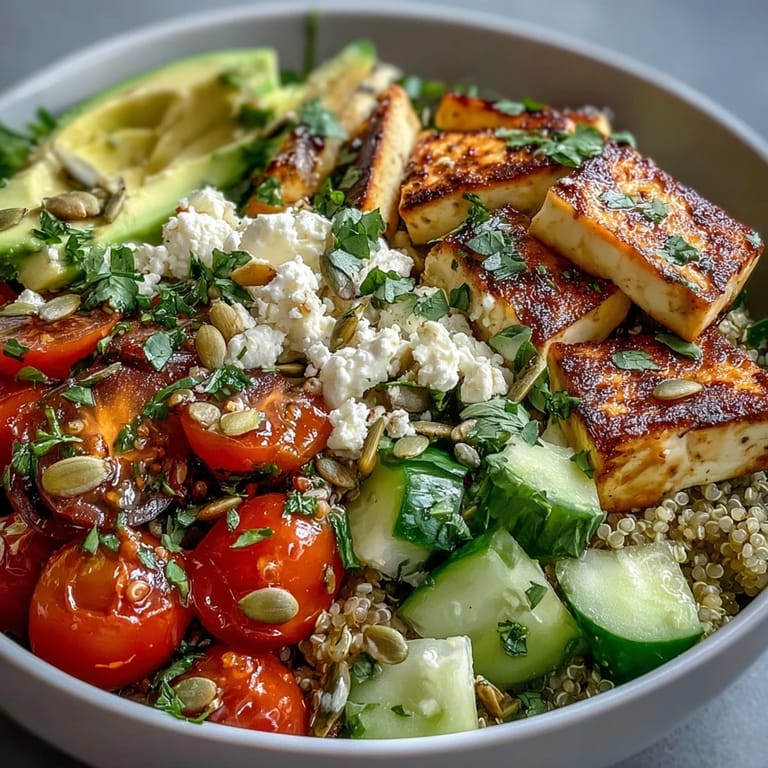
- Brown rice, quinoa, or farro (1 cup uncooked): Pick based on your mood and timeline—rice is forgiving, quinoa cooks fastest, farro has a satisfying chew that makes you feel like you're eating something real.
- Cooked chickpeas, grilled chicken, pan-seared tofu, or shrimp (2 cups): This is where your protein anchor lives; use what's in your kitchen or what aligns with how you're eating right now.
- Cherry tomatoes (1 cup, halved): They burst with brightness and won't turn to mush like larger tomatoes would.
- Cucumber (1 cup, diced): Adds crunch and keeps everything from feeling heavy.
- Shredded carrots (1 cup): Raw or lightly roasted, they bring sweetness and a slight resistance when you bite through.
- Avocado (1, sliced): This arrives at the last moment—slice it right before assembly so it stays creamy and doesn't oxidize into disappointment.
- Red onion (1/4 cup, thinly sliced): A little sharpness cuts through all the richness and keeps your palate honest.
- Feta cheese (1/4 cup, crumbled, optional): Skip it for dairy-free, but if you're using it, crumble it just before serving so it doesn't get buried or forgotten.
- Toasted pumpkin seeds (1/4 cup): Toast them yourself if you can—the smell alone is worth it, and they stay crunchier than pre-toasted versions.
- Fresh herbs (2 tbsp, chopped): Parsley brings green freshness, cilantro adds boldness, basil leans warm—choose based on what you're serving alongside.
- Olive oil (3 tbsp): Use something you actually like tasting, since it matters here.
- Lemon juice (1 tbsp): Squeeze it fresh if you can; bottled changes the equation.
- Apple cider vinegar (1 tbsp): It adds a quiet depth that vinegar alone wouldn't give you.
- Dijon mustard (1 tsp): This tiny amount emulsifies the dressing and adds a gentle complexity.
- Garlic (1 clove, minced): Raw garlic in dressing is bold—mince it fine or let it sit in the liquid for a few minutes to soften its edges.
- Salt and pepper: Taste as you go; it's the only way to know.
Tired of Takeout? 🥡
Get 10 meals you can make faster than delivery arrives. Seriously.
One email. No spam. Unsubscribe anytime.
Instructions
- Start your grain:
- Bring water or broth to a boil, add your grain, and follow the package timing—don't rush this, and don't skip tasting a kernel to confirm it's actually done. Set it aside and let it cool enough to handle but while it's still warm enough to accept seasoning.
- Prepare your protein:
- If you're grilling chicken, season it generously and let it rest after cooking; if tofu, press it first and don't be shy with the pan heat so it browns instead of steams. Everything should be ready and at room temperature by the time you're building.
- Whisk your dressing:
- Combine oil, lemon juice, vinegar, mustard, and minced garlic in a bowl, then whisk until it looks slightly thicker and creamy rather than separated and sad. Taste it before salting—sometimes the acid and mustard do most of the work already.
- Arrange your bowl:
- Start with grain as your foundation, then layer protein, then all your vegetables and toppings in a pattern that looks intentional. This isn't just for Instagram—it actually helps you get a bit of everything in each bite.
- Finish with dressing and herbs:
- Drizzle the dressing over everything just before eating, scatter the herbs like you mean it, and taste immediately so you know if you need more salt or acid.
 Save
Save Someone once told me that grain bowls saved their life during a season when everything felt too hard, and I understood exactly what they meant. There's something about having a formula that works, ingredients that don't go bad, and a meal that's actually good for you—it gives you one less thing to figure out when figuring things out feels impossible.
Building Your Perfect Bowl
The magic of this recipe is that it's less a rigid set of instructions and more a framework for listening to what you actually want to eat. On mornings when you're craving brightness, load up on lemon and herbs and skip the avocado; on days when you need comfort, go heavier on the grain and protein. I've made versions with roasted beets, with mango, with a fried egg on top—and every single one has felt right in the moment because I wasn't fighting against the formula, I was working within it.
The Dressing Difference
People often skip the dressing step and just drizzle olive oil, which is fine, but the dressing—especially with the mustard and vinegar working together—transforms this from a healthy-eating obligation into something you'd actually choose to eat. The mustard acts like a tiny emulsifier, making everything cling to the grain instead of sliding to the bottom of the bowl where nobody wants it. I learned this by accident when I made one with a proper vinaigrette for a friend and watched them eat every last grain, while my oil-only version languished in the office fridge.
Meal Prep Reality and Flexibility
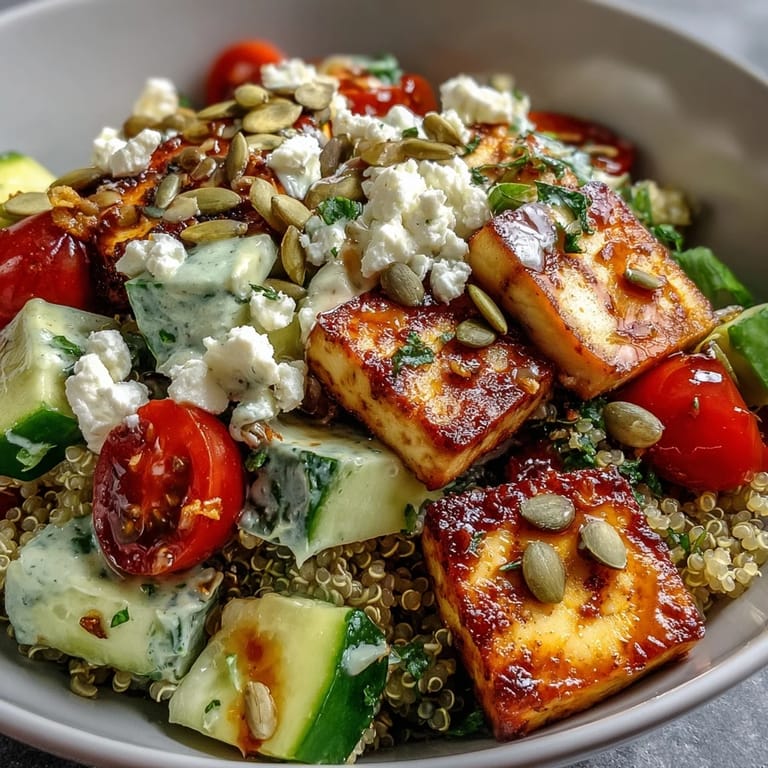
This bowl wants to be prepped, but it doesn't want to be assembled more than a few hours ahead. What you can do is cook your grain, prep your vegetables into separate containers, cook your protein, and keep the dressing in a small jar—then at lunchtime you're just building and drizzling, which takes five minutes and ensures everything stays crisp and alive. Temperature-wise, room temperature is your friend here; cold straight from the fridge feels wrong, but letting everything warm to room temperature makes all the flavors actually sing.
- Prep components separately and assemble just before eating for maximum freshness and crunch.
- Double the dressing recipe and keep it in a jar for the whole week—it tastes better after a day or two anyway.
- Store avocado separate and add it last, or toss it with lemon juice so it doesn't oxidize into sadness.
 Save
Save This recipe became my answer to the question "What's for lunch?" and somehow that's made me feel less scattered, more nourished, and genuinely excited about Tuesday again. Build one today and see if it doesn't change how you think about bowls.
Recipe FAQs
- → Which grain works best for meal prep?
Brown rice and farro hold up exceptionally well throughout the week, maintaining texture without becoming mushy. Quinoa is another excellent option that reheats beautifully.
- → Can I make this bowl vegan?
Absolutely. Choose chickpeas or tofu as your protein, skip the feta cheese, and you'll have a completely plant-based bowl that's still packed with flavor and nutrients.
- → How long does the dressing keep?
The lemon-herb dressing stays fresh in an airtight container in the refrigerator for up to one week. Give it a good shake or whisk before using.
- → What other proteins can I use?
Consider roasted salmon, hard-boiled eggs, edamame, lentils, or even sliced steak. The beauty of grain bowls is their flexibility—use what you have on hand.
- → Should grains be served hot or cold?
Either way works perfectly. Warm grains create a comforting bowl, while room temperature or chilled grains make for a refreshing lunch, especially during warmer months.
- → Can I prepare components in advance?
Cook grains, chop vegetables, and prepare dressing up to three days ahead. Store everything separately and assemble when ready to eat for the freshest texture.