 Save
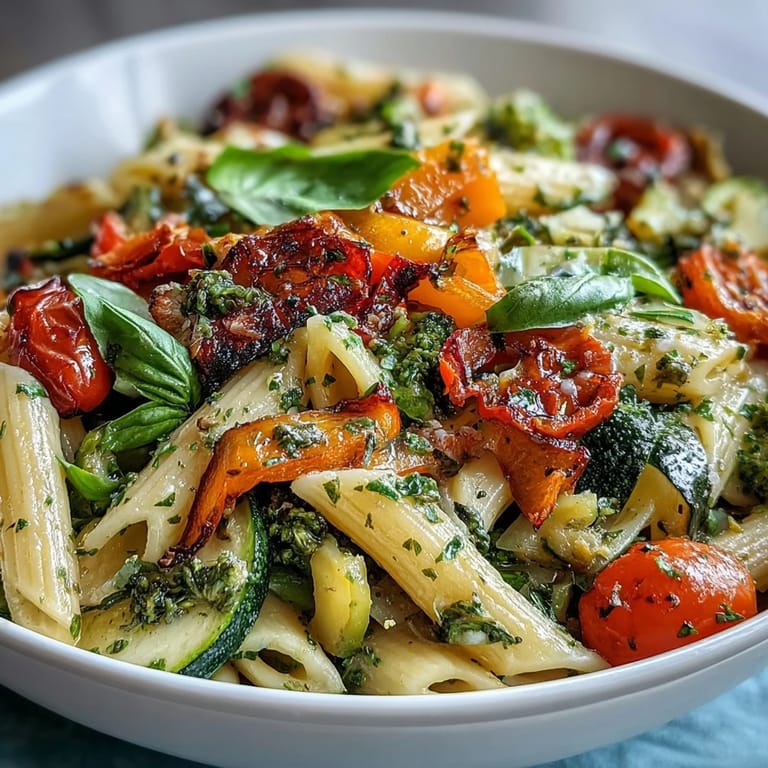
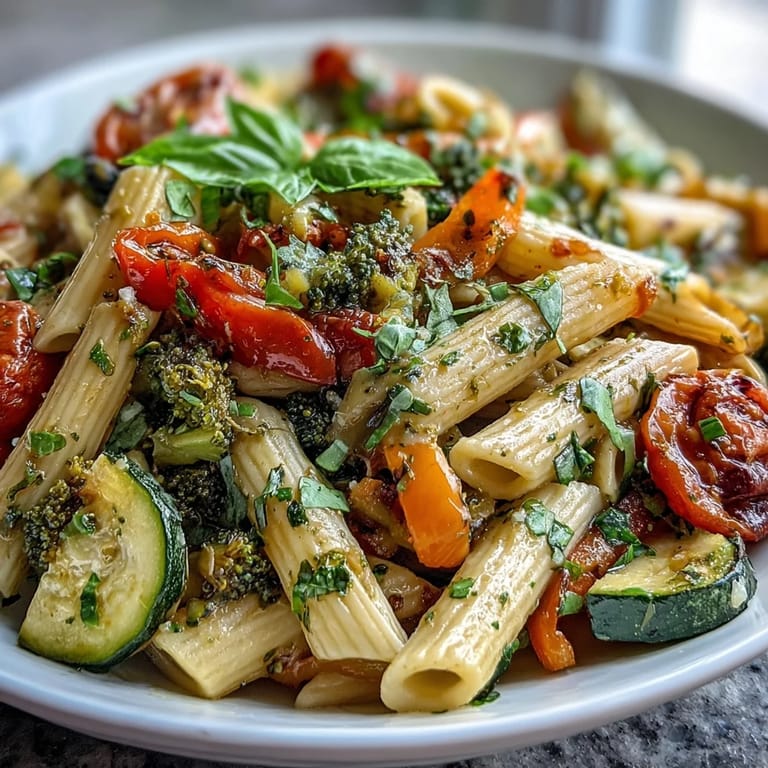
Save There's something almost magical about watching pasta cook directly in its broth instead of in a separate pot of water—it's like the whole dish comes together as one from the very beginning. I discovered this technique on a Thursday evening when I was too tired to manage multiple pans, and the result was so vibrant and connected that I've never gone back to the traditional method. The lemon and basil hit different when they're stirred into pasta that's already absorbed all those vegetable flavors, and cleaning up just one pot felt like stealing time back from the evening.
I made this for my partner on a Sunday when we'd promised ourselves to eat lighter, and they asked for seconds before I'd even sat down—that rarely happens. The kitchen smelled like a garden had walked through it, and somehow serving it in bowls instead of on plates made it feel more like sharing than just eating. Those small moments when food becomes a conversation starter instead of just fuel are what keep me coming back to recipes like this.
Ingredients
- Dried penne or fusilli, 340 g (12 oz): The ridges and tubes catch the broth and vegetable pieces, making every bite feel intentional—just double-check that the box says vegan-friendly, because not all pastas are.
- Red onion, 1 small, thinly sliced: The slight sharpness mellows into sweetness as it simmers, creating a gentle flavor backbone that doesn't overpower the vegetables.
- Garlic, 2 cloves, minced: Two cloves is my middle ground—enough to know it's there, but not so much that the dish becomes about the garlic instead of the harmony.
- Red and yellow bell peppers, 1 small each, sliced: The colors matter here, honestly; they make the pot look alive, and the sweetness they release balances the brightness of the lemon.
- Zucchini, 1 medium, sliced into half-moons: Half-moons cook evenly and hold their shape without turning to mush, which I learned after a few soggy experiments.
- Cherry tomatoes, 1 cup (150 g), halved: Halving them releases their juice into the broth, creating little flavor pockets throughout the dish.
- Snap peas or green beans, 1 cup (120 g), trimmed: These add a satisfying bite that keeps the dish from feeling one-note, and they stay slightly crisp if you don't oversimplify the cooking time.
- Broccoli florets, 1 cup (100 g): Small florets work best; they cook through without dissolving and add a gentle earthiness that grounds the bright lemon notes.
- Low-sodium vegetable broth, 900 ml (4 cups): This becomes the soul of the dish, so taste it before you pour it in—a good broth makes everything sing.
- Extra-virgin olive oil, 2 tbsp: The quality here matters because it's not being cooked to death, so don't skimp if you can help it.
- Sea salt and freshly ground black pepper: Start conservative and taste as you go; the broth already has sodium, so you might need less than you'd expect.
- Red pepper flakes, a pinch, optional: I add it when I want the dish to have a whisper of heat, nothing more.
- Lemon, 1, for zest and juice: The zest goes in during cooking to infuse the broth, and the juice at the end wakes everything up—this is non-negotiable.
- Fresh basil leaves, ½ cup (15 g), torn: Tear by hand instead of cutting; it bruises less and releases more of that green, summery scent.
- Nutritional yeast, 2 tbsp, optional: This is my secret for depth without dairy—it adds a subtle umami note that makes people ask if there's cheese hiding somewhere.
Tired of Takeout? 🥡
Get 10 meals you can make faster than delivery arrives. Seriously.
One email. No spam. Unsubscribe anytime.
Instructions
- Heat your oil and start the aromatics:
- Set a large pot over medium heat and let the olive oil warm for a breath—you want it shimmering, not smoking. Toss in the onion and garlic, and let them sit for a minute before stirring, so they get a tiny bit of color and release their sweetness into the oil.
- Build flavor with vegetables:
- Add the peppers, zucchini, tomatoes, snap peas, and broccoli all at once. Stir them around for 3 to 4 minutes—you're not trying to cook them through, just waking them up and letting them release their first whispers of flavor into the pot.
- Introduce the pasta and broth:
- Pour in the uncooked pasta and vegetable broth in one motion, then add salt, pepper, and red pepper flakes if you're using them. Stir everything together until the pasta is fully submerged and the liquid looks evenly distributed.
- Simmer low and stir often:
- Bring the pot to a boil first, then immediately turn the heat down to a gentle simmer. Leave it uncovered and give it a stir every couple of minutes—this prevents sticking and helps the pasta cook evenly while absorbing all that vegetable-infused broth.
- Watch for the sweet spot:
- After 10 to 12 minutes, the pasta should be just tender and the liquid mostly absorbed, leaving behind a light sauce instead of a soup. There should be a tiny bit of moisture clinging to everything when you pull it off the heat.
- Finish with brightness and herb:
- Remove from heat and stir in the lemon zest, lemon juice, torn basil, and nutritional yeast if you're using it. Taste it before serving—sometimes you'll want a pinch more salt or juice, and that adjustment is just part of the conversation between you and this dish.
 Save
Save There was a morning when my housemate came downstairs as I was reheating leftovers, and the smell pulled them into the kitchen before they'd even registered what was happening. We ended up eating a bowl together at the kitchen counter, talking about nothing important, and I realized that sometimes the best recipes are the ones that naturally invite people to slow down. Food like this doesn't need much—just good ingredients and enough care to let them speak for themselves.
The One-Pot Magic
Cooking pasta directly in broth is not just a cleanup hack; it's a flavor multiplier that deserves its own moment of recognition. The pasta absorbs vegetable essence and broth all at once, becoming part of the ecosystem instead of the main character. Every grain carries flavor, every bite feels intentional, and there's something satisfying about the simplicity of it all.
Vegetable Timing and Texture
The order in which vegetables go into the pot matters less here than their size and resilience, because everything is sitting in the same bath of liquid for roughly the same amount of time. Harder vegetables like broccoli and zucchini hold their shape well, while softer ones like tomatoes and peas blend into the sauce a bit, creating pockets of intensity and smoothness throughout. This isn't a flaw—it's what makes the dish feel alive and varied with every spoonful.
Lemon and Basil as a Finishing Conversation
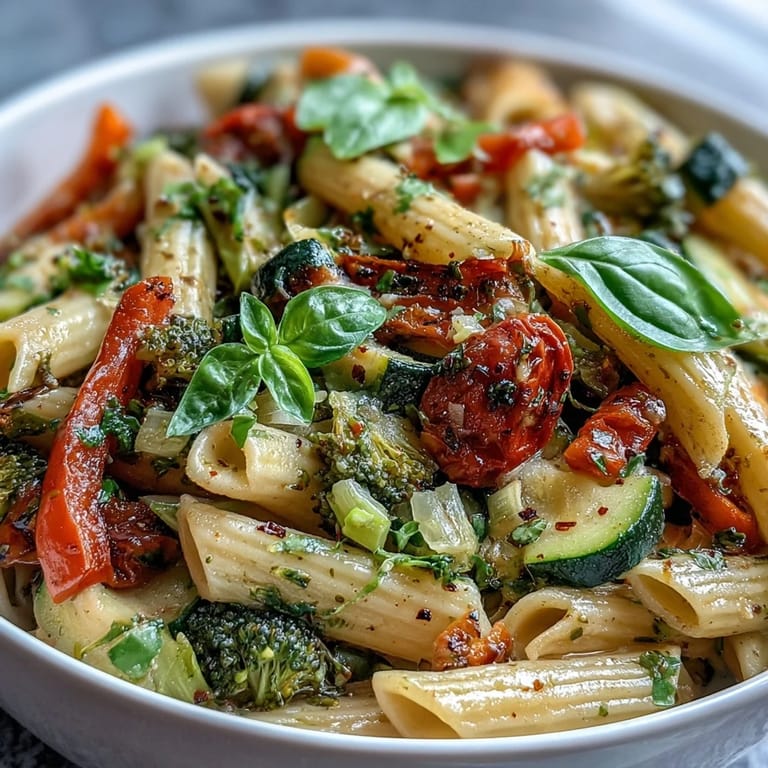
This is where instinct meets technique—you're not following a formula but having a conversation with the pot in front of you. The lemon zest goes in during cooking to infuse the broth, but the juice at the end is your chance to taste and adjust, to make it your own. Basil torn by hand instead of chopped bruises less, releases more of its verdant spirit, and reminds you that this dish is about simplicity elevated, not complexity hidden.
- Always zest your lemon before cutting it in half, because once the juice is everywhere, the zester becomes a frustrating afterthought.
- If the dish tastes flat at the end, it's probably missing salt or lemon juice, not something more complicated.
- Fresh herbs wilt within seconds of hitting hot pasta, so add them last and serve immediately for the best flavor.
 Save
Save This pasta primavera taught me that sometimes the most satisfying meals are the ones where everything gets equal attention and nothing steals the spotlight. It's the kind of dish that makes you feel lighter afterward, not heavier, and that keeps you coming back to the kitchen because you actually enjoyed being there.
Recipe FAQs
- → Can I use gluten-free pasta in this dish?
Yes, gluten-free pasta works well and can easily replace the regular penne for a gluten-free version.
- → What vegetables can I substitute or add?
Seasonal veggies like asparagus, peas, or spinach can be added or swapped to enhance flavor and texture.
- → How do I achieve the best lemon flavor?
Use both zest and juice of fresh lemon added at the end of cooking to brighten the dish without overpowering it.
- → Is nutritional yeast necessary for the flavor?
No, it’s optional but adds a subtle cheesy umami depth to complement the vegetables and lemon.
- → What’s the best oil to use for sautéing?
Extra-virgin olive oil provides a fruity, robust base that enhances the vegetables and overall dish.